

What you need to know
- Oura’s CEO says the monthly fee is staying and that it’s central to the company’s strategy.
- Oura uses recurring revenue to improve algorithms, analyze user data, and invest in long-term health research.
- The company claims millions of subscribers actively use the app, with most checking in multiple times a week.
While companies like Samsung and RingConn are attracting customers with smart rings that don’t require a subscription, Oura CEO Tom Hale has made it clear his company will stick with its current approach.
Hale told Bloomberg that Oura’s monthly fee isn’t going anywhere, and the company believes that’s exactly what keeps its health insights ahead of the pack.
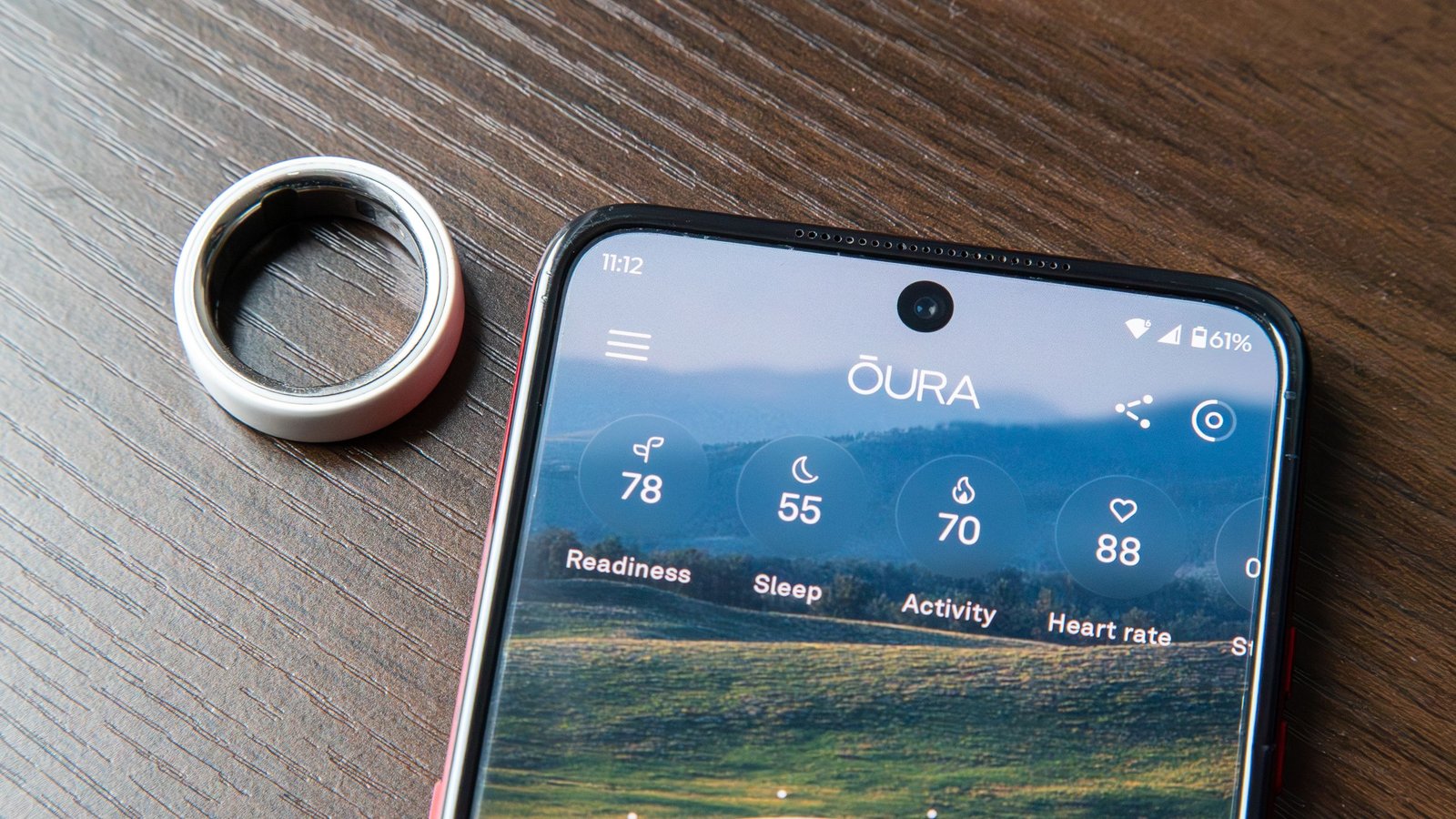
The main issue is that Oura’s rings, which track sleep, readiness, temperature trends, activity, and more, come with a required membership that costs about $6 per month or $70 per year. This fee is in addition to the hardware price, which ranges from about $349 to $499.
You may like
Oura also keeps adding new features to its arsenal, the most recent of which being the $99 Oura Health Panels that let members track more than 50 cardiometabolic blood markers alongside their ring data.
For many people who are used to paying once and owning a device forever, this ongoing fee is unfamiliar and only makes sense if the software provides real value.
Hale sees the recurring revenue not as a cash grab, but as the foundation of Oura’s value. Instead of just selling a ring and moving on, Oura is building a data system that learns from millions of users, improves its algorithms, and supports ongoing research and development for new health insights. He argues that this long-term approach can’t be funded by hardware sales alone.
Engagement backs up the model
(Image credit: Derrek Lee / Android Central)
Hale stressed that subscriptions directly underwrite accuracy and upgrades, rather than just cosmetic feature drops. He also pointed to engagement numbers as proof that the model works. Millions of active subscribers, with three-quarters checking in at least five times per week, show that customers use the service enough to justify the fee. In fact, according to the company, its subscriber base rivals those of many mainstream streaming platforms in sheer size and engagement.
And make no mistake, the market around smart rings is getting crowded. Competitors like the Samsung Galaxy Ring and budget alternatives from other brands are out there without subscriptions, pushing a hardware-only narrative to lure budget-minded buyers.
Oura’s position is clear. The company believes a one-time purchase cannot provide the same depth of insights as a cloud-based, continuously updated service.
If you are considering a health wearable, remember that Oura’s subscription is required if you want access to all analytics. This is intentional and is central to how Oura plans to compete and innovate in the future.
Android Central’s Take
Personally, I get why this choice rubs some people the wrong way. Recurring fees have become a sore spot in wearables and phones alike. But I also think Oura is making the right call for its long-term survival, even if it stings our wallets. When I look at the one-time hardware model, I see a product that eventually hits a ceiling. With a subscription, it feels like I have a team working to improve my data while I sleep. No one likes extra charges, but if that $6 means better algorithms and more accurate health insights, I am willing to pay what I call the “accuracy tax.” In a world where technology often feels disposable, Oura is betting that people will pay for a device that improves over time.
