

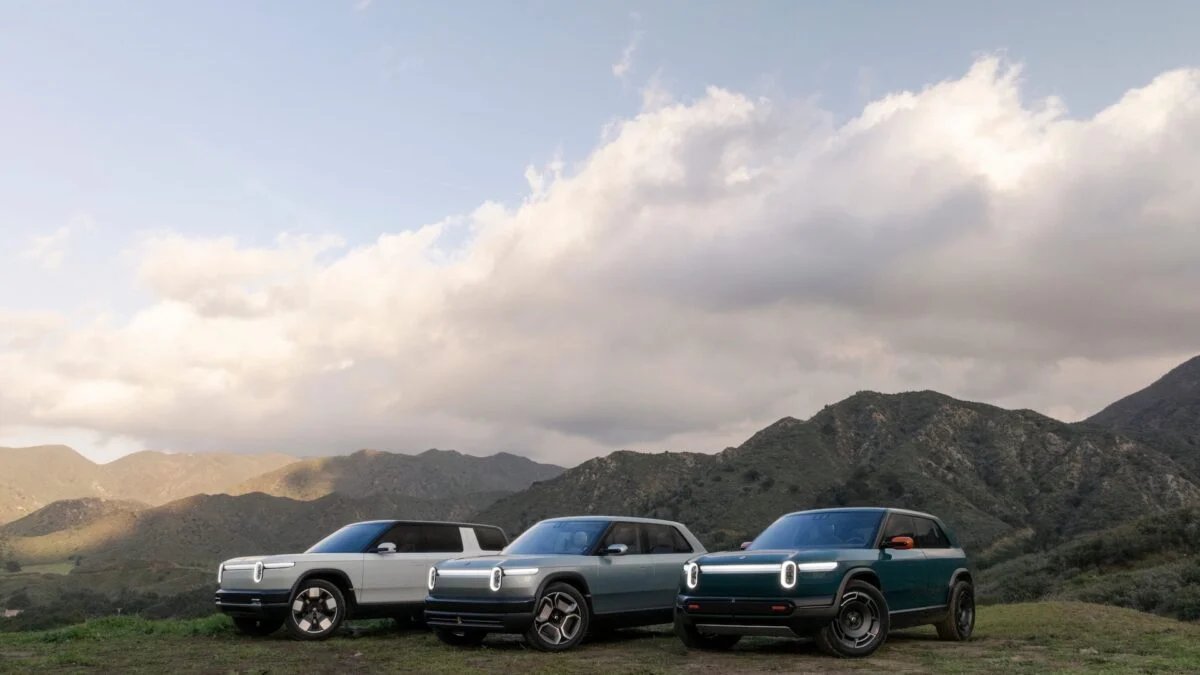
Rivian is quickly taking steps to support an influx of customers later this year with the arrival of its $45,000 R2 SUV. In two announcements, the California-based electric vehicle company said it was going to make improvements in two areas: charging at home, and servicing vehicles wherever customers are.
One of the benefits of EVs is the ability to charge at home overnight and have at least most of the battery charge up. Rivian and EnergyHub are teaming to make sure drivers are charging at the best speeds at times when their electricity rates are lowest, based on which grid they’re getting power from. In theory, that will keep their electric bills low and provide better access to renewable energy.
EnergyHub says this step is important not just for private owners seeking better electricity rates, but also for everyone who’s on the grid—especially others charging their EVs.
“Rivian’s software ecosystem and customer engagement make it easier for drivers to participate in utility programs, while grid-aware managed charging ensures EVs can serve as a resource to manage the load growth we are seeing across the country, “said Seth Frader-Thompson, President of EnergyHub. “Together, we’re delivering real value for drivers and practical solutions for utilities.”
EnergyHub says the management system is intended to work with different areas and different utility providers that have various ways to measure when people use more electricity, which usually has an effect on billing rates.
In a separate announcement, Rivian said this week it’s ramping up its service infrastructure ahead of the R2 launch. The goal is a 50% increase in mobile service vans this year and more than 50 new brick-and-mortar service garages by the end of next, pending the training of new technicians. The build-out in servicing is especially important since Rivian doesn’t have traditional dealerships for customers of Ford and GM EVs, but uses a direct sales model with company-run outlets.
This is an immensely important time for Rivian. Sales were down in 2025 due in part to the end of the federal tax credit last September. Funds went toward a huge investment in its own lidar, as well as processing to run an AI assistant and, eventually, autonomous driving.
The company is betting on sales to grow by at least 25% in 2026 with the first R2s in customers’ hands by the end of the first half of the year.
