

Samsung’s value pick for 2026
The Galaxy A37 is Samsung’s most complete mid-range smartphone yet. It comes with a 6.7-inch AMOLED display and is powered by the Exynos 1480 processor. The phone includes a triple-camera setup, supports up to 45W charging, and is much thinner than the Pixel 10a.
Pros
- Large 6.7-inch AMOLED display with better protection glass
- Faster charging speeds (up to 45W)
- Triple-camera setup for versatility
- Thinner than the Pixel 10a
Cons
- One less Android update compared to the Pixel 10a
- No wireless charging support
- Slightly heavy
AI-first Pixel experience at an affordable price
The Pixel 10a doesn’t change much, but it refines what already worked. It runs on Google’s Tensor G4 chip and features a 6.3-inch OLED display with up to a 120Hz refresh rate. The camera module now sits flush with the back, and the phone now supports faster 30W wired charging. The Pixel 10a also borrows some of the latest AI features from the flagship Pixel 10 series.
Pros
- Brighter and sharper display
- Compact and easier to use one-handed
- Flush camera design (no bump)
- Satellite SOS support
Cons
- Slower charging speeds
- No telephoto zoom lens
- Thicker than Galaxy A37
With a starting price of $450, the Galaxy A37 goes head-to-head with Google’s Pixel 10a, which launched about a month prior. With both Galaxy A37 and Pixel 10a sitting in a similar price bracket, which one actually makes more sense to buy? Let’s take a closer look and see how they compare.
Article continues below
You may like
Samsung Galaxy A37 vs. Google Pixel 10a: Pricing, colors, and availability
(Image credit: Sanuj Bhatia / Android Central)
The Galaxy A37 debuted on March 25, 2026, nearly a year after Samsung launched the Galaxy A36. As for pricing, the Galaxy A36 started at $400, but due to recent memory shortages and rising component costs, Samsung has bumped the Galaxy A37’s starting price by $50. This means the base model now starts at $450 in the US, with 128GB of storage.
Samsung says a 256GB variant will also be available, though pricing for that hasn’t been confirmed yet. In terms of colors, the Galaxy A37 comes in Lavender, White, Charcoal, and Graygreen.
On the other hand, the Google Pixel 10a debuted on February 18, 2026. Despite similar market conditions, Google has kept pricing unchanged from the Pixel 9a. The Pixel 10a starts at $499 in the US for the 128GB model, while the 256GB variant is priced at $599.
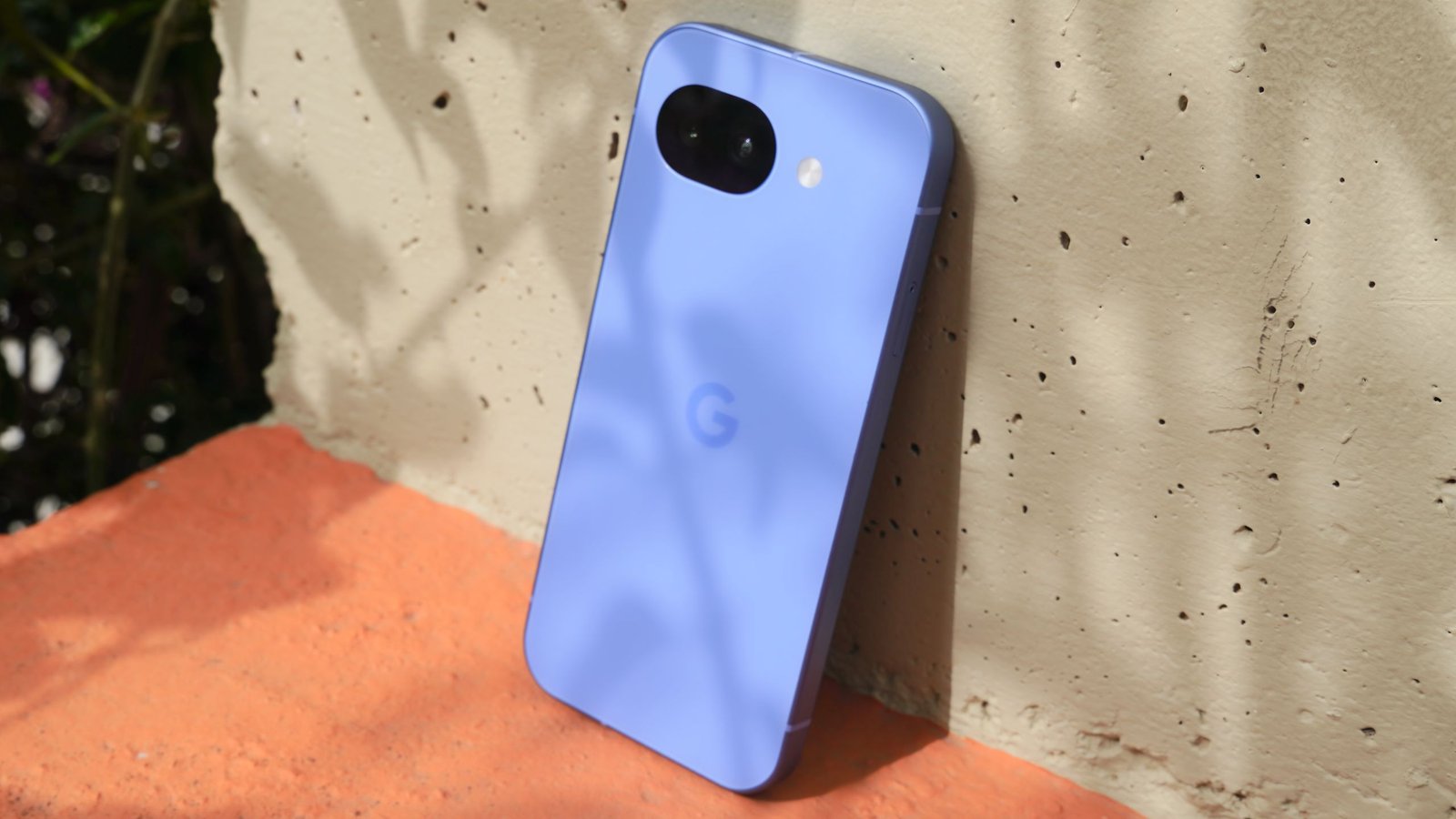
The Pixel 10a is available in four colors as well: Obsidian (black), Fog (pale green), Berry (red-pink), and Lavender (blue-purple).
Samsung Galaxy A37 vs. Google Pixel 10a: Design and display
(Image credit: Samsung)
Both the Galaxy A37 and the Google Pixel 10a stick closely to the designs of their predecessors. On the Galaxy A37, you get flat edges with rounded corners, a narrow-bezel display up front, and a vertically aligned pill-shaped camera module on the back.
Similarly, the Pixel 10a looks very similar to last year’s Pixel 9a. It features a horizontal pill-shaped camera module, flat sides, curved corners, and a clean back with the ‘G’ logo in the center. One interesting change this year is that the Pixel 10a is 0.1mm thicker than the Pixel 9a, but the camera module now sits completely flush with the back.
The Galaxy A37’s camera module still protrudes slightly, like most mid-range phones, so you might want to use a case to protect it. That said, the Galaxy A37 is noticeably slimmer at 7.4mm, compared to the Pixel 10a’s thicker 9mm profile. The tradeoff here is that the Galaxy A37 is slightly heavier at 196g, while the Pixel 10a comes in at 183g.
What to read next
(Image credit: Brady Snyder / Android Central)
When it comes to build, both phones take different approaches. The Galaxy A37 uses a plastic frame paired with a glass back, while the Pixel 10a features an aluminum frame with a polycarbonate back.
In terms of durability, both offer IP68 dust and water resistance. However, despite costing less than the Pixel 10a, the Galaxy A37 features a much stronger Gorilla Glass Victus+ on the front for better display protection, whereas the Pixel 10a uses Gorilla Glass 7i.
(Image credit: Brady Snyder / Android Central)
Moving over to the front, the Pixel 10a continues with a similar display setup as last year’s Pixel 9a, featuring a punch-hole camera and relatively thicker bezels. You get a smaller 6.3-inch P-OLED panel with support for up to a 120Hz refresh rate and a resolution of 1080 x 2424 pixels. One advantage the Pixel 10a has over the Galaxy A37 is its much higher peak brightness of up to 3000 nits.
The Galaxy A37, on the other hand, comes with a larger 6.7-inch Super AMOLED display, also with a 120Hz refresh rate and a resolution of 1080 x 2340 pixels. While the display is bigger and has smaller bezels, its peak brightness tops out at 1900 nits, which falls noticeably short of the Pixel 10a.
Samsung Galaxy A37 vs. Google Pixel 10a: Hardware, specs, and software
(Image credit: Samsung)
Samsung used the Snapdragon 6 Gen 3 on last year’s Galaxy A36, but with the Galaxy A37, the company has switched to its own Exynos 1480 chipset. It’s built on a 4nm process and features an octa-core CPU with four Cortex-A55 cores clocked at 2GHz and four Cortex-A78 cores at 2.75GHz.
We haven’t tested the Galaxy A37 yet, so we can’t comment on real-world performance, but on paper, it looks like a step up from last year’s chip.
On the other hand, one of the key selling points of the Pixel A series has been flagship-level chipsets. However, the Pixel 10a changes that slightly, as it uses the same Tensor G4 found in the Pixel 9a and Pixel 9 series. That’s not necessarily a bad thing, but if you were expecting the newer Tensor G5 from the Pixel 10 series, you won’t get that here.
In terms of internal storage, both phones offer 128GB and 256GB options. The Galaxy A37 starts with 6GB of RAM in some regions and offers 8GB and 12GB variants, paired with up to 256GB of storage. The Pixel 10a, on the other hand, comes with 8GB of RAM across both storage options. Neither phone includes a microSD card slot, so you’ll have to rely on cloud storage if you need more space.
Swipe to scroll horizontallySpecifications
Category
Samsung Galaxy A37
Google Pixel 10a
Operating System
One UI 8.5 (Android 16), six years of OS upgrades
Android 16, seven years of OS upgrades
Display
6.7-inch Super AMOLED, 1080 x 2340 resolution, 120Hz, 1900 nits peak brightness, Gorilla Glass Victus+
6.3-inch Actua P-OLED display, 1080 x 2424 resolution, 120Hz, 3000 nits peak brightness, Gorilla Glass 7i
Processor
Exynos 1480
Google Tensor G4
RAM
6GB, 8GB, 12GB
8GB
Storage
128GB, 256GB
128GB, 256GB
Rear cameras
50MP wide camera, 8MP ultrawide camera, 5MP macro
48MP wide camera, 13MP ultrawide camera
Front camera
12MP
13MP
Battery
5,000mAh
5,100mAh
Charging
45W wired, no wireless charging
30W wired, 10W wireless
Durability
Aluminum frame, glass back
Plastic frame, Glass back
IP rating
IP68
IP68
Weight
196g
183g
Dimensions
162.9 x 78.2 x 7.4 mm
153.9 x 73 x 9 mm
Colors
Lavender, White, Charcoal, Graygreen
Obsidian, Fog, Berry, Lavender
Regarding software, both brands have been pushing a variety of AI features to their flagship devices, and it’s good to see some of those trickling down to mid-range phones as well.
The Galaxy A37 is one of the few Samsung phones to run One UI 8.5 out of the box. This brings several newer features to a mid-range device, including upgraded Photo Assist with object eraser, storage sharing across Galaxy devices, a customizable Quick Settings panel, updated icons, and other under-the-hood improvements.
Similarly, the Pixel 10a also gets features that debuted on the Pixel 10 series, such as Magic Cue and support for the Pixel Screenshots app. It also includes emergency satellite SOS support, allowing you to connect to emergency services even in areas with no network coverage, something the Galaxy A37 doesn’t offer.
(Image credit: Brady Snyder / Android Central)
It’s great to see that both of these mid-range phones come with large batteries. The Galaxy A37 packs a 5,000mAh cell, while the Pixel 10a comes with a slightly larger 5,100mAh battery.
The Galaxy A37 also supports faster wired charging at up to 45W. And even though Google has improved wired charging speeds on the Pixel 10a to 30W, it still doesn’t quite match the Galaxy A37.
One advantage the Pixel 10a has is wireless charging support up to 10W, something the Galaxy A37 doesn’t offer. However, it’s worth noting that while the Pixel 10 series supports Qi2 wireless charging with built-in magnets, the Pixel 10a doesn’t include magnets, so you’ll need a compatible case for that functionality.
Samsung Galaxy A37 vs. Google Pixel 10a: Cameras
(Image credit: Brady Snyder / Android Central)
While it may seem like the Galaxy A37 has an advantage with its triple-camera setup, that isn’t necessarily the case. The Galaxy A37 features a 50MP primary sensor with an f/1.8 aperture, PDAF, and OIS. It’s paired with an 8MP ultra-wide sensor with a 123-degree field of view and a 5MP macro lens. While a telephoto lens would’ve been more useful, Samsung has opted for a macro sensor instead.
The Pixel 10a comes with a dual-camera setup consisting of a 48MP primary sensor and a 13MP ultra-wide lens. While we haven’t tested the Galaxy A37’s camera yet, you can check out sample shots from the Pixel 10a in our full review.
When it comes to video recording, the Pixel 10a also has the edge, supporting 4K at up to 60 fps, while the Galaxy A37 tops out at 4K at 30 fps.
Samsung Galaxy A37 vs. Google Pixel 10a: Which should you buy?
(Image credit: Samsung)
So, which smartphone should you buy, the Samsung Galaxy A37 or the Pixel 10a? It really comes down to your personal preferences, as both are among the best mid-range phones you can get at this price.
If you want a phone with a larger display for watching content, faster wired charging, and a slimmer overall profile, and you don’t care about wireless charging, the Galaxy A37 is a great choice.
On the other hand, if you value fast Android updates and want a compact phone that feels comfortable in the hand and doesn’t wobble on a desk thanks to its flush camera design, the Pixel 10a is a solid pick. While it shares a lot of hardware with the Pixel 9a, features like emergency satellite SOS support could prove useful for many users.
Samsung’s safe bet
The Galaxy A37 focuses on delivering a big-screen experience without going expensive. It features a 6.7-inch AMOLED display and is one of the first few smartphones from Samsung to run on One UI 8.5 out of the box. You get a triple-camera setup here and a large 5,000 mAG battery with 45W charging.
Pixel software, lower price
The Pixel 10a keeps things simple and familiar, focusing on a pure Android software experience and camera consistency. It runs on Android 16 out of the box and comes with a few Pixel 10 flagship series AI features. The design is mostly identical to the Pixel 9a, and you get a 48MP + 13MP setup with a 5,100 mAh battery.
