

Ultra-thin phones were the thing in 2025. It felt like every big player in the smartphone market wanted to show off just how much engineering wizardry they could cram into something barely thicker than a USB-C port.
But barely a year later, the tides are already shifting. Samsung revealed the S26 range last week without the rumoured upgraded Edge variant, and rumours suggest the iPhone Air won’t get an upgrade this year either (though Apple is still working on an upgrade, apparently).
Honestly, it makes sense. As lovely as these phones are to hold, they come with some very real compromises.
The big problem with ultra-thin phones
Don’t get me wrong, devices like the iPhone Air and Samsung Galaxy S25 Edge are gorgeous bits of kit. Picking one up feels like a throwback to the days when phones felt light and slim, able to slip into a pocket and practically disappear – a stark difference to most 2026 flagships.
In daily use, that slimness is genuinely refreshing, and the novelty never really wore off for me – but then there’s the ugly side of ultra-slims to consider.
Advertisement
Image Credit (Trusted Reviews)
Camera hardware, for one, has generally taken a hit. The iPhone Air’s single rear camera is a perfect example; it’s fine for everyday photos, but it doesn’t exactly scream premium flagship when phones that cost hundreds less – including Apple’s own iPhone 17 – offer a wider selection of lenses.
It’s mainly down to constraints in size; telephoto lenses in particular need space to operate, something that comes at an extreme premium in ultra-thin phones.
Then there’s arguably the bigger problem, battery life. You can only fit so much cell into a wafer-thin chassis, and that results in more charging, more battery anxiety, and less of that all-day flagship confidence we’ve come to expect over the past few years.
Image Credit (Trusted Reviews)
That’s the trade-off; you’re paying top-tier prices for a device that, in some areas, feels like a massive step backwards. It’s a hard sell, and probably the main driver behind Samsung’s apparent abandonment of the Edge brand.
Advertisement
Tecno’s modular tech could be the fix
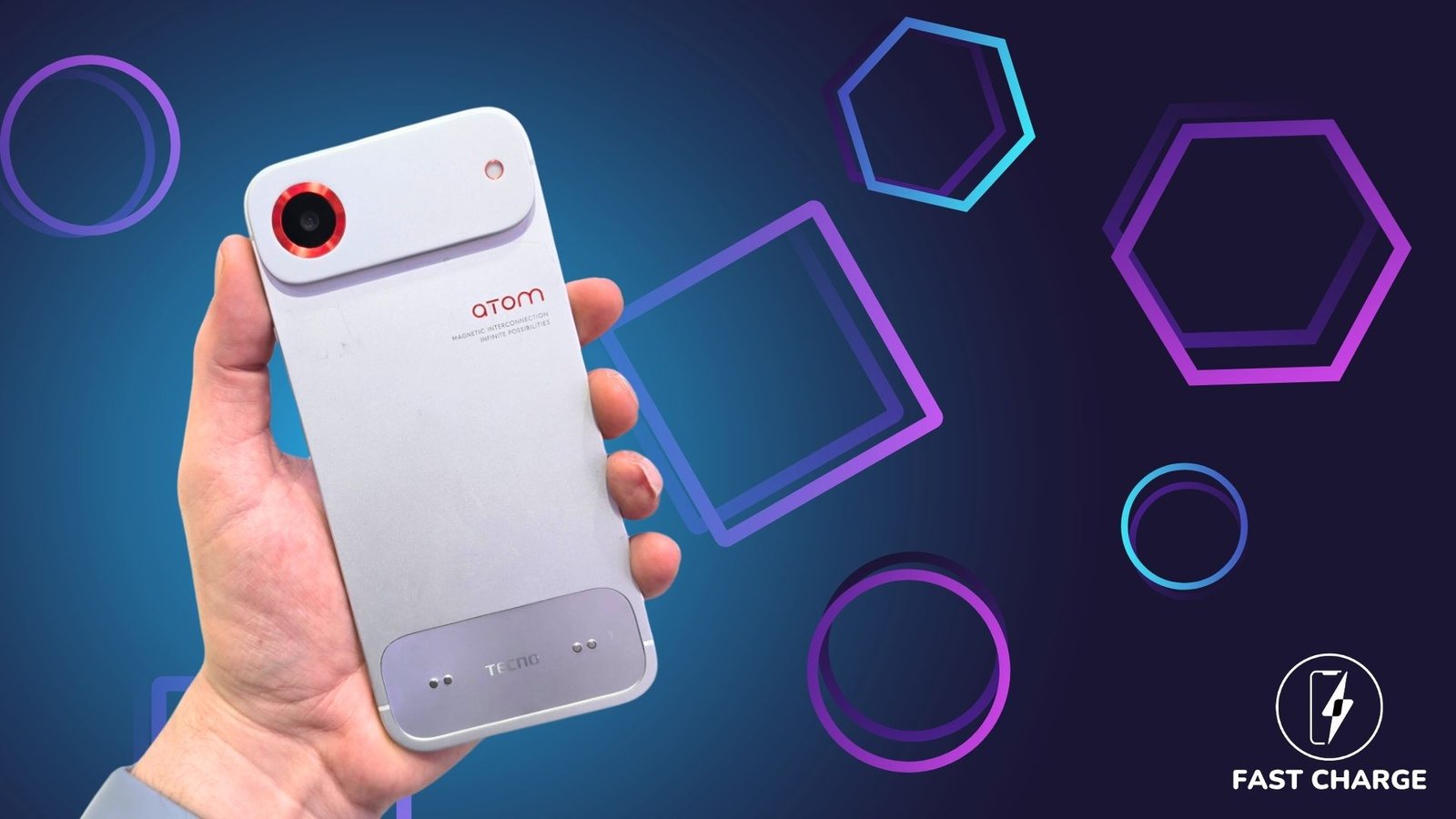
Then along comes Tecno at MWC 2026 that genuinely made me stop and stare.
The concept Atom device it showed off uses what it calls Modular Magnetic Interconnection tech, and at just 4.99mm thick, it’s thinner than basically anything else on the show floor.
Image Credit (Trusted Reviews)
As you’d expect, it feels stunning in the hand, and almost shockingly light. I actually assumed it was just a dummy model until I flipped the phone around and saw a fully working version of Android running on-screen.
But this isn’t just another thin phone; it’s a thin phone that can bulk up when you need it to.
Image Credit (Trusted Reviews)
Advertisement
Tecno’s idea is so simple that I’m kinda surprised that Samsung and Apple didn’t come up with something similar; keep the device ultra-thin, then let users attach the hardware they need when they need it.
Want a proper zoom for a day of sightseeing? Snap on a telephoto camera module. Heading out and worried about battery? Click on an integrated battery pack. There was even a dedicated microphone module with a wind shield on display, ideal for content creators.
Image Credit (Trusted Reviews)
Some accessories attach directly to the camera housing, while others snap on just below it using hidden magnets, while others utilise the POGO system at the bottom of the device. The stand at MWC had a whole ecosystem of accessories you could snap on and try, and suddenly the concept made a lot of sense.
Instead of permanently compromising the phone’s design for features you’ll only occasionally use, you pick and choose. Slim and minimal most of the time, and more feature-packed when you need it.
Image Credit (Trusted Reviews)
Advertisement
Not quite ready just yet
Of course, there’s a catch – there’s always a catch.
This is still very much just a concept. Tecno hasn’t confirmed any wider release plans, and the magnetic system, while clever, didn’t feel quite as secure as you’d want for everyday, on-the-go use. Stronger magnets and more refined attachments will be crucial if this is going to survive outside of a trade show demo.
Image Credit (Trusted Reviews)
But that’s the thing about concepts; they show the direction that the industry is headed. And right now, modular ultra-thin designs feel like a far more exciting direction than simply shaving off another 0.2mm and pretending the compromises simply don’t exist.
If ultra-thin phones are going to have a true resurgence, they need to stop asking us to give things up. Now we just need someone to bring it to market before the ultra-thin movement disappears entirely.
Advertisement
