

Do you remember the first Ultra phone? It is widely recognized as the Galaxy S20 Ultra, and features several new firsts for Samsung’s mobile experience lineup. It also set the industry standard and ushered in a new era, much as the original Galaxy Note inspired the large-screen era that has become the norm today.
The Galaxy S20 Ultra introduces a host of new features that prove Samsung could innovate in smartphones. These included a 108MP main camera, dual telephoto cameras — including a 48MP periscope telephoto lens capable of “100x Space Zoom” — and a large 5,000 mAh battery. It also included 8K video recording, a 40MP selfie camera, and up to 16GB RAM.
Article continues below
You may like
Today’s best Samsung Galaxy S26 Ultra deals
An updated camera system with a photography kit
(Image credit: Harish Jonnalagadda / Android Central)
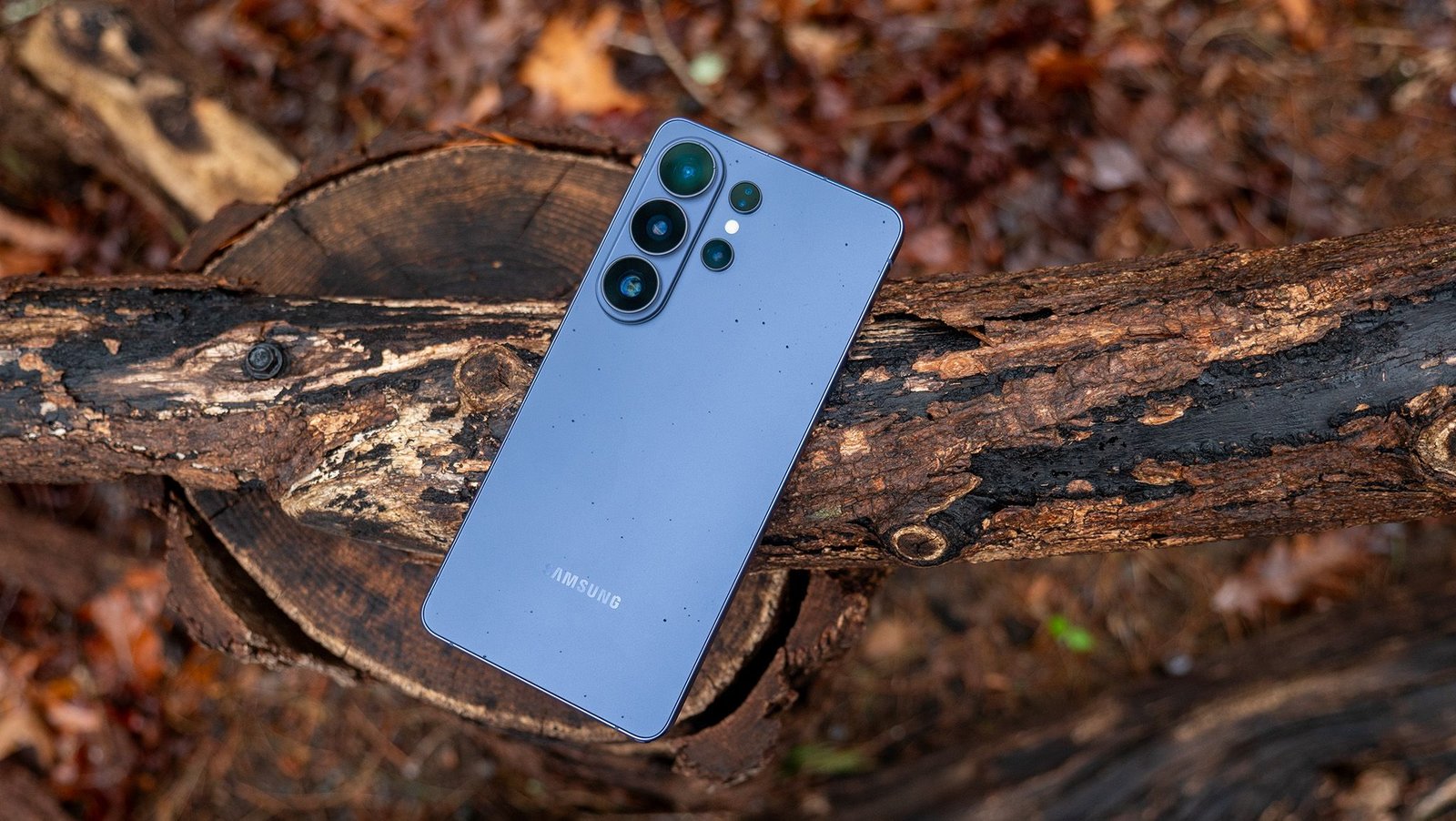
The Galaxy S26 Ultra has a solid all-around camera, but it does pale in comparison to some of the features found on its three key current and upcoming rival Ultra devices.
All three key competitors — the Xiaomi 17 Ultra, Vivo X300 Ultra, and Oppo Find X9 Ultra — either have or are expected to offer an optional photography kit. Xiaomi deserves credit for kicking off this trend, while the others followed suit. Although the Vivo and Oppo Ultra phones haven’t been officially launched yet, we’ve already seen the former at MWC and heard plenty of leaks about the latter, many of which have come from the company itself.
(Image credit: Harish Jonnalagadda / Android Central)
All three phones feature a photography kit that extends the phone’s built-in zoom beyond what the Galaxy offers. Based on the Vivo X300 Pro and Oppo Find X9 Pro photography kits, this includes the ability to extend the optical zoom to 10x or more, a longer 200x maximum zoom, and — in the case of Vivo — multiple lens choices.
The Galaxy S26 Ultra, meanwhile, has two telephoto lenses. The 10MP telephoto offers 3x optical zoom, while the 50MP offers 5x optical zoom. The former is designed for portraits, but has been ever-present for many years.
It’s also an area that the competition has firmly beaten, and Samsung could stand to upgrade its built-in telephoto sensors.
The case for the updated telephoto setup
(Image credit: Sanuj Bhatia / Android Central)
The biggest case for Samsung to update its telephoto setup is the Oppo Find X9 Ultra. Although it won’t be launched until next month, Oppo’s Chief Product Officer — and also Co-Founder/CEO of OnePlus — Pete Lau has already confirmed that it will be coming to global markets.
Another leak, this time from a publication in Bulgaria and reported by GSMArena, revealed key details: the Find X9 Ultra will likely feature a 200MP main camera, a 200MP periscope telephoto camera with 3x optical zoom, a 50MP periscope telephoto camera with 10x zoom, and a 50MP ultrawide camera.
What to read next
The Find X9 Ultra is shaping up to be a beast of a camera phone, and we already know what its chief competition has. Aside from Samsung, the Xiaomi 17 Ultra launched globally at MWC with a 50MP main camera, 200MP periscope telephoto with variable aperture, and a 50MP ultrawide camera.
Meanwhile, the Vivo X300 Ultra has been mostly confirmed — via Vivo’s own Blueprint Imaging Technology Communication Conference — to offer a 200MP main camera, a 200MP periscope telephoto camera, and a 50MP ultrawide lens.
As mentioned, the Vivo X300 Ultra also comes with the G2 teleconverter kit, which includes two extendable lenses, and there’s another area where Vivo is heavily teasing that the new X300 Ultra will stand out: video recording.
Samsung and Apple have big competition in video recording
(Image credit: Harish Jonnalagadda / Android Central)
We went hands-on with the Vivo X300 Ultra at MWC 2026, and aside from the core specs, one thing is for certain: Vivo is aiming big for video on the X300 Ultra.
First, the phone can shoot 4K at 120 fps from all rear cameras in 10-bit Log and Dolby Vision. This is cinema-grade video from a phone, and it’ll be enhanced by a new custom shooting rig. There’s also a Pro video mode and better color science when shooting videos.
Like the Oppo Find X9 Ultra, the Vivo X300 Ultra has yet to be launched, but Vivo confirmed it will also arrive globally this year. That’s three excellent Ultra phones, all launching globally and capable of challenging Samsung’s camera prowess in certain ways.
Samsung still leads the way in a couple of key ways
(Image credit: Nicholas Sutrich / Android Central)
Aside from the camera system, there’s one big area where Samsung continues to lead the way: marketing. The other is choosing to take different paths, and the new Privacy Display on the Galaxy S26 Ultra shows the company is rethinking what it means to be an Ultra phone.
Yet, as great as the Galaxy S26 Ultra is — and it’s one of Samsung’s most refined phones ever made from my testing — there’s no denying that it’s no longer the camera champion it once was. That’s not to say it’s bad — it’s very good in a lot of conditions — but the key competition has redefined what it means to be an Ultra flagship smartphone.
Personally, I hope Samsung revamps the Galaxy S27 Ultra camera system and adds a photography kit. It’s the perfect type of accessory that can add to its bottom line and firmly aligns with the company’s history of camera innovations, even with big, extended cameras. Remember the Galaxy S4 Zoom?
A new revamped Galaxy S27 Ultra would also reaffirm Samsung’s place atop the best phones list, although given the company’s global reach, it’ll be a while before anyone can truly displace it permanently.
