

Summary
- iOS 26.4 beta 2 finally enables encrypted RCS between iPhone and Android.
- The feature is currently in testing ahead of a full release later this year.
- The feature also requires the beta version of Google Messages.
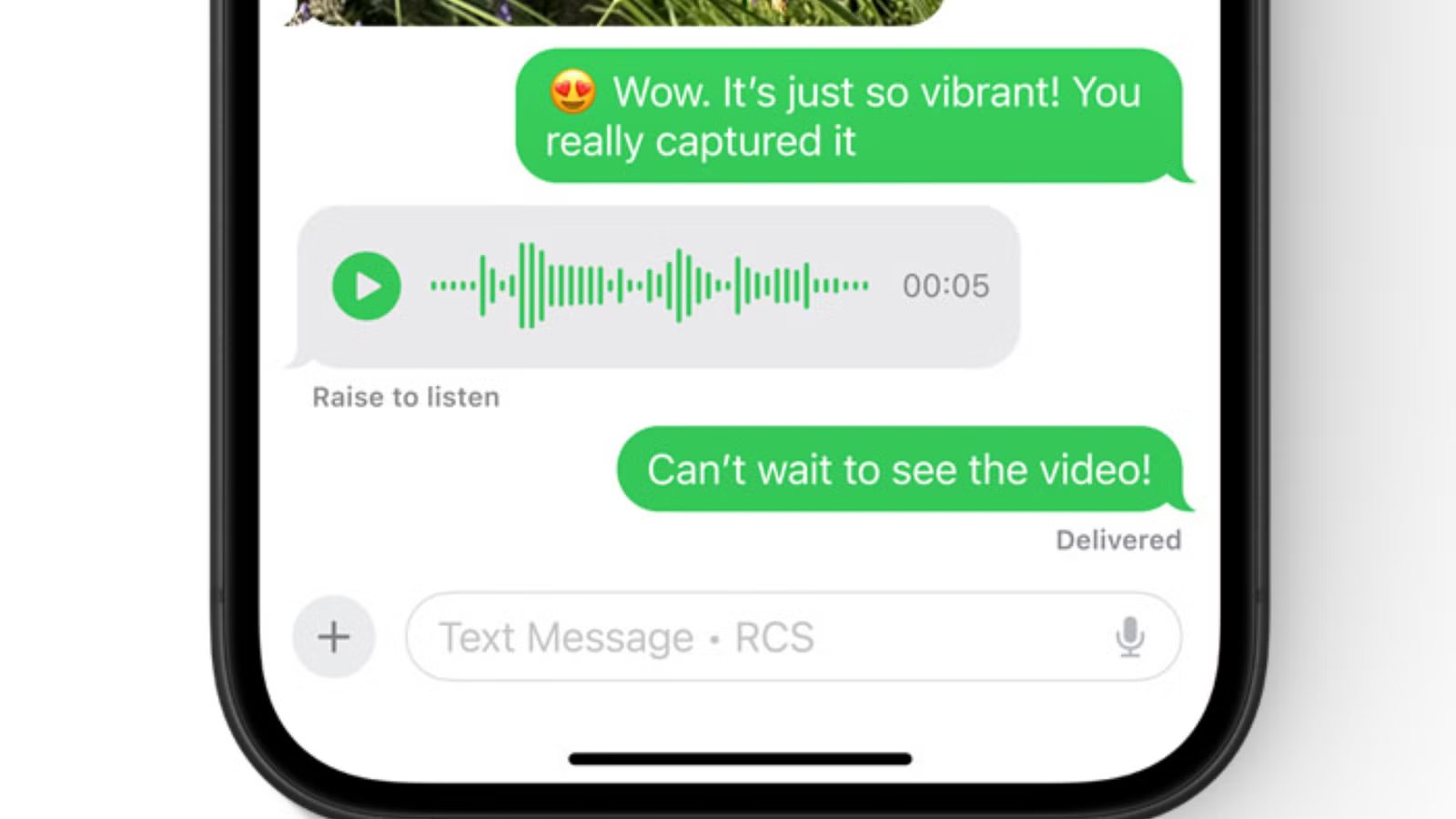
With the release of iOS 26.4 beta 2 today, Apple and Google have begun live testing of encrypted RCS messaging between iPhone and Android. This feature is part of RCS Universal Profile 3.0, which revamps how RCS works across platforms.
How to enable encrypted RCS on iOS 26.4
You need all the betas
To get started, you need to install iOS 26.4 beta 2. This is technically a developer beta, but the process for installing this is much simpler than it used to be:
- Head to the Apple Developer website and sign in with your Apple ID. You no longer need to pay the $99 developer fee to access the beta software.
- Once you’re enrolled in the beta, grab your phone and head to Settings > General > Software Update.
- Tap on Beta Updates. If you don’t see this right away, hold tight. It can take a few minutes after enrolling to appear.
- Select iOS 26 Developer Beta.
- Go back a screen to the Software Update page. You should see iOS 26.4 Developer Beta 2 appear as an available update.
- Tap Update Now and follow the prompts.
Once you’re on the beta, you can enable encrypted RCS by heading to Settings > Messages > RCS Messaging and toggling on End-to-End Encryption (Beta).
Android phones will also need to be on the latest Google Messages beta in order for the encrypted messaging to work. Installing this is a little easier than the iOS beta:
- Head to the Google Play Store and go to the Google Messages page.
- Scroll down until you see a section that says Join the beta.
- Tap Join and confirm.
- Scroll back up and tap the Update button at the top of the page. It can take a minute or two for this to appear after enrolling in the beta.
Why encrypted messaging is a big deal
Privacy matters
Without encryption, your messages can theoretically be read at any point by third parties. Now, generally, someone would have to be looking — and your cellular provider probably isn’t reading your messages. But a lack of encryption does open you up to man-in-the-middle attacks and similar risks. And, of course, there are places in the world where governments do read messages. Encryption helps prevent that, whether it’s a hacker or a government entity. Encryption also ensures that if a company’s servers are compromised, your messages won’t be readable.
Currently, messages between Android and iPhone use RCS, but it’s not encrypted. For encryption, you need to be iPhone-to-iPhone (via iMessage) or Android-to-Android (via Google Messages). There are also a number of secure messaging platforms you can use, like Signal (which we wish more people would use). However, many (maybe most) people default to using the built-in messaging app on their phone, which means most Android-to-iPhone conversations are currently unencrypted. This feature should finally change that, and will make messaging private by default for a ton of users.
Encrypted RCS between iPhone and Android is currently in beta. It’s not totally clear when it will roll out to the public at large, but with Apple’s typical beta timeline, we’re likely looking at March or April, possibly coinciding with a rumored hardware event.
