

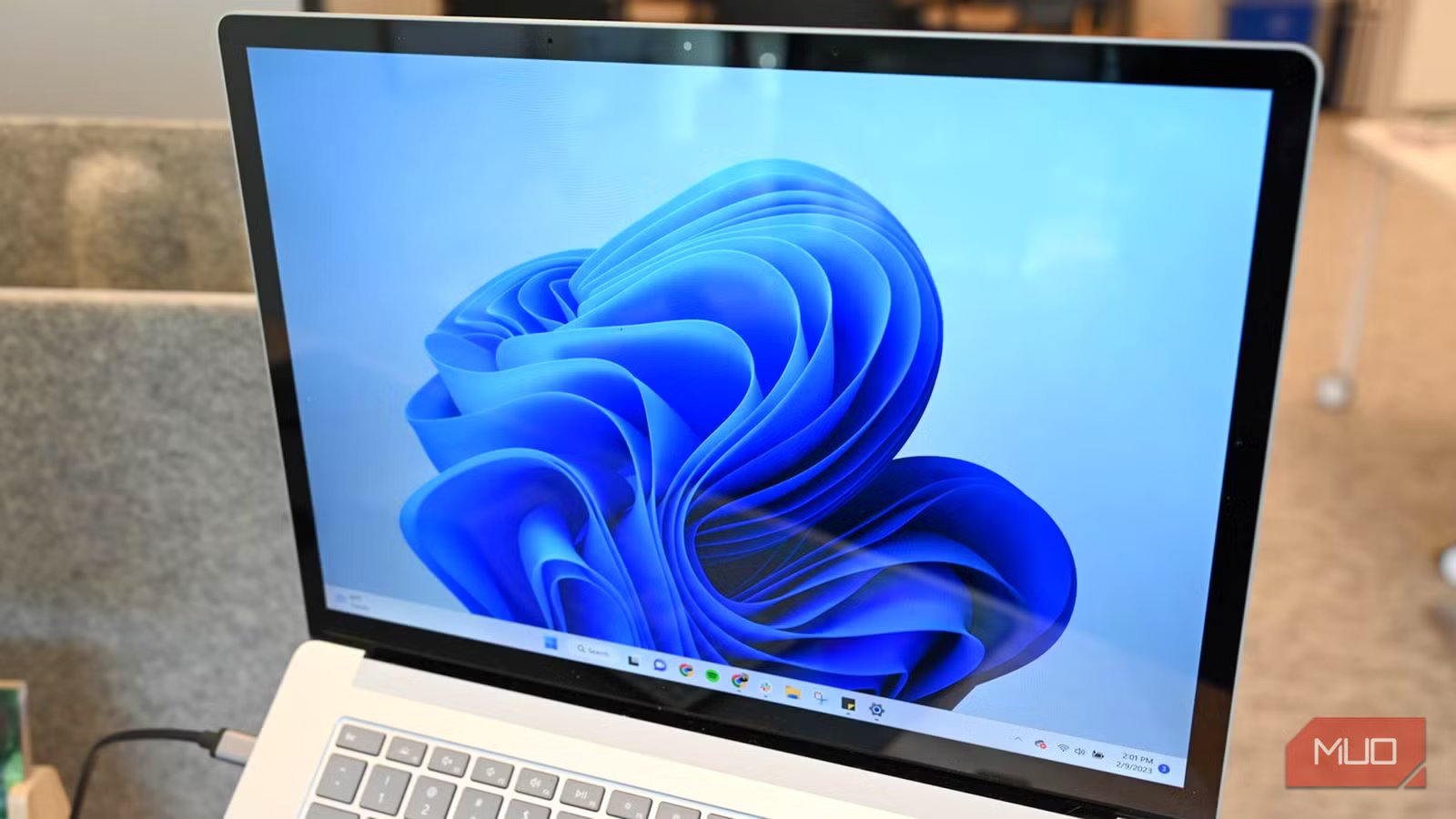
I’ve had a complicated relationship with Windows 11. On the one hand, the UI improvements and Snap Layouts are really useful upgrades. On the other hand, the operating system feels increasingly like a vehicle for serving ads, pushing subscriptions, and forcing an AI assistant I didn’t ask for. It’s sluggish on older hardware and bloated on new builds, occupied by background processes that seem to exist solely to justify their own existence.
In most cases, the alternative — custom “lite” ISOs found on shady forums — seems too risky. Downloading a modified operating system from a stranger is a security nightmare waiting to happen. But then I found Tiny11, and specifically the “Builder” method. It’s a project that strips Windows down to its absolute essentials, bypassing Windows 11’s minimum installation requirements and removing the fluff, all while letting you verify exactly what’s happening. It’s the Windows I actually wanted, and it’s quite easy to set up.
Tiny11 strips away Windows 11’s bloat so your PC runs leaner and faster
No ads, nags, or unnecessary baggage
A standard Windows 11 installation typically consumes 20–30 GB of storage space and requires significant RAM just to keep the system running smoothly. Tiny11, by contrast, reduces the installation to around 8-11GB while requiring only 2GB of RAM to run smoothly. In fact, it doesn’t enforce Windows 11’s usual strict hardware requirements, such as the TPM 2.0 module or Secure Boot.
So, what gets removed? The list is extensive and likely includes items you rarely use. Microsoft Edge, OneDrive, Xbox apps, Copilot, the new Outlook client, Teams, Clipchamp, and a host of other pre-installed applications all disappear from the installation. You’re left with essential tools like Calculator, Notepad, Paint, and Windows Terminal; basically, the bare necessities that make Windows functional without the promotional clutter. Importantly, the script also strips out many of the telemetry services and scheduled tasks that Microsoft uses to track usage and serve recommendations.
The latest version of Tiny11 Builder, released in September 2025, works seamlessly with Windows 11 versions 24H2 and 25H2, as well as test builds. It even supports both x64 and ARM64 architectures, meaning you can use it on a wide variety of devices. The developer has aggressively addressed Microsoft’s tendency to resurrect removed apps — like Outlook and Teams — that stubbornly reinstall themselves after updates. The current script plays whack-a-mole with these persistent components more effectively than previous versions.
There’s also Tiny11 Core for those who want an even more minimal installation, though I’d caution against using it for everyday computing. Core removes the Windows Component Store entirely, which means you can’t install updates, add languages, or modify features after creation. It’s designed for virtual machines and testing environments where you need the absolute smallest footprint possible, sometimes as little as 3GB installed. For actual daily use, stick with the regular Tiny11 Builder script.
You can build your own Tiny11 installation in under an hour
A clean install, you won’t need a shower after
Creating your personalized Tiny11 ISO isn’t difficult, and the transparency of the process is part of what makes it trustworthy. You’re not downloading a pre-made modified Windows copy from an unknown source; rather, you’re building it yourself using Microsoft’s official files and a publicly auditable script.
Start by downloading the official Windows 11 ISO from Microsoft’s website. You’ll want the version that matches what you plan to install — 24H2 or 25H2 — both of which work well with the current Tiny11 Builder. Next, head to GitHub and download the Tiny11 Builder script from the ntdevlabs repository. The entire script is written in PowerShell, and because it’s open-source, you can review every line of code if you’re concerned about what it’s doing to your Windows image.
Once you have both files, mount the Windows 11 ISO by right-clicking it and selecting “Mount” in Windows. This creates a virtual drive containing all the installation files. Open PowerShell as an administrator (this is crucial, as the script needs elevated permissions to modify system files). You’ll need to set your execution policy to unrestricted temporarily by running Set-ExecutionPolicy Unrestricted, which allows PowerShell scripts to run on your system. Hit Y and Enter when prompted.
Navigate to the folder where you extracted the Tiny11 Builder script and run tiny11maker.ps1. The script will prompt you to select the mounted Windows 11 drive and choose which Windows edition you want to modify (Home, Pro, Education, etc.). From there, it handles everything automatically. It removes the unwanted apps and components, applies Microsoft’s LZMS compression to reduce file size, and packages everything into a bootable ISO file. The process takes 20 to 45 minutes, depending on your hardware, and can be memory-intensive during the compression phase. Ensure you have at least 8GB of RAM available on the machine building the ISO.
When the script finishes, you’ll find a file named tiny11.iso in the same folder as the script. This is your custom Windows 11 installation media, created entirely from official Microsoft sources with documented, reversible modifications. You can write this ISO to a USB drive using tools like Rufus — following the standard steps to create a Windows 11 bootable USB drive — then boot from it to perform a clean installation, just like you would with standard Windows 11.
The installation process itself is nearly identical to regular Windows 11, with one pleasant surprise: you won’t be forced to sign in with a Microsoft account during setup. Tiny11 makes local account creation straightforward again, eliminating one of Windows 11’s most annoying requirements. Once installed, you can further customize the system by installing only the applications you actually want from the Microsoft Store or by using Winget to install your apps.
The custom build that made me remember why I liked Windows in the first place
I’ve been running Tiny11 on a secondary laptop for several weeks now, and the experience has been overwhelmingly positive. The system boots faster, applications launch without delay, and I’m no longer bothered by Copilot suggestions or OneDrive sync notifications. Gaming performance hasn’t changed noticeably — benchmark scores remain within the margin of error compared to stock Windows 11 — but the reduced background noise means my system resources are available when I need them rather than being siphoned off by services I never use.
The one consideration to keep in mind is updates. Tiny11 still receives Windows security updates and bug fixes through Windows Update, which is essential for keeping your system protected. However, major feature updates might attempt to reinstall some of the removed bloatware, so you may need to rebuild your ISO and perform a clean installation when new Windows versions are released. For me, that’s a small price to pay for a computing experience that feels personalized rather than packed with corporate priorities I never agreed to.
