

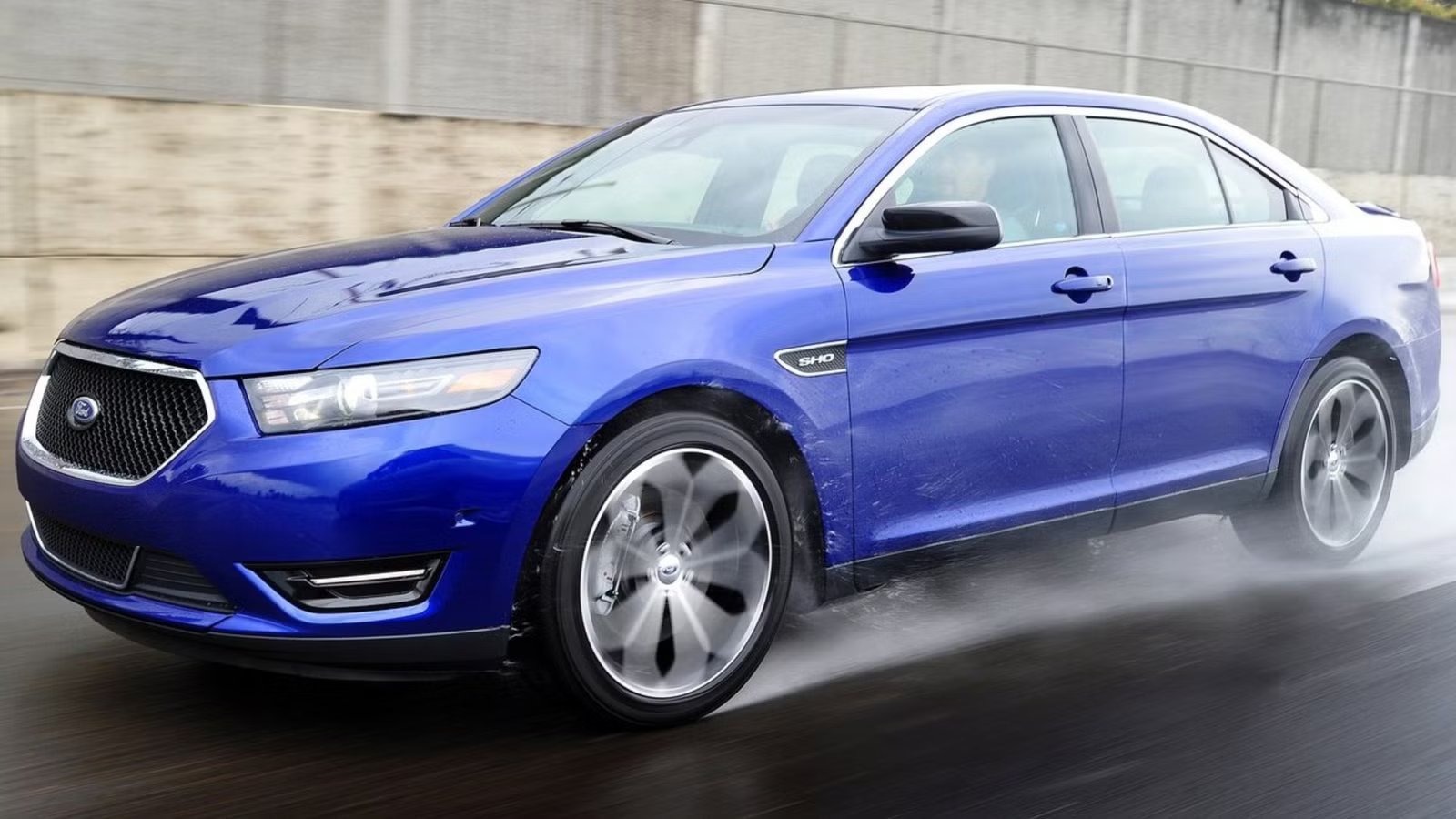
The cars and trucks Americans drive are aging, and they’re doing so at a record-breaking pace. According to the most recent S&P Global Mobility data, the average age of vehicles on U.S. roads has climbed to 12.8 years, the oldest ever recorded.
Dig deeper into the numbers, and the picture becomes even more striking. Passenger cars now average 14.5 years old, while light trucks average 11.9 years old. In other words, the typical American car on the road today was built during the Obama administration.
An older vehicle fleet on U.S. highways is good and bad news; it all depends on your perspective and which part of the story you focus on. For some drivers, holding onto a well-maintained sedan makes perfect financial sense. For automakers, insurers, and safety advocates, the same trend raises serious questions. The aging of America’s vehicle fleet touches on economics, the environment, public safety, and the shifting realities of what people can and cannot afford.
Vehicles are more durable than ever
Better materials and manufacturing
Credit: Hyundai
The fact that vehicles are still on the road after nearly 13 years of service is a major achievement. According to the U.S. Department of Transportation, the average person drives about 13,500 miles per year. That means the average driver will have racked up about 175,000 miles on that 13-year-old vehicle. It is a testament to the advances in engineering, materials, and manufacturing that allow cars to last this long.
Back in the day, even if the engine could survive for over 100,000 miles, the body of the vehicle often couldn’t. The use of galvanized steel wasn’t widely adopted until the 1990’s. Cars and trucks were susceptible to rust, and once the body rusted out, the vehicle was usually headed to the scrap heap. The use of aluminum, plastics, and composite materials in cars today greatly reduces the likelihood of corrosion.
Related
Car prices are near $50K—here’s the hidden sweet spot for 2026 buyers
There are tricks you can use to your advantage.
Holding onto your old car can save you money
Building a new car also takes a tremendous amount of resources
That “new car smell” is iconic, but it’s never been more expensive. With new car prices hovering near $50,000, a typical five-year loan at six percent interest will set you back $966 a month, or roughly $11,600 a year. While repairing an older vehicle isn’t free, it rarely costs five figures a year (unless you’re driving a Bugatti, in which case maintenance isn’t your biggest concern).
Beyond the sticker price, a new car also hikes your insurance premiums. While many factors influence your rate, insuring a $15,000, decade-old sedan is almost always cheaper than insuring a $50,000 showroom-fresh model. Plus, the older car has already survived its steepest depreciation. While a new car loses roughly 42 percent of its value in just five years, the older vehicle has already leveled off, making it a clear winner for your bottom line.
While the allure of a zero-emission electric vehicle is strong, the greenest car might actually be the one already sitting in your driveway. Keeping a vehicle on the road longer is a powerful environmental choice that goes beyond simple fuel economy.
The hidden “carbon cost” of a new car is found in its manufacturing. Building a single vehicle requires an influx of raw materials like steel, aluminum, and rubber, and a staggering amount of energy to assemble. In fact, some studies suggest that manufacturing a new car can produce more greenhouse gases than years of driving an existing one.
While manufacturing a new car requires a surge of energy, there’s a catch: older cars are inherently less efficient. Any environmental “savings” you gain by skipping the showroom could be quickly offset by the higher tailpipe emissions of an aging engine.
Of course, the math depends entirely on your driveway. If you’re driving a 2013 Cadillac CTS-V, you’ve got a legendary ride, but a thirsty one. Trading that V8 for a new Toyota Corolla would result in a carbon footprint reduction (even if it comes at the expense of some serious horsepower). On the other hand, if your older car is already a fuel-sipping compact, the environmental payoff of upgrading might be negligible.
Related
Gas prices are rising—these 3 used EVs are the cheapest way to switch
These three used EVs offer the best combination of range, reliability, and value.
The newest cars are the safest cars
Active safety systems have improved
Keeping your old vehicle forever is not without its drawbacks. The biggest risk is to your safety and the safety of fellow motorists and pedestrians. Vehicles are much safer today than they were even a decade ago. Advanced Driver Assistance Systems (ADAS) are getting better all the time. Lighting, braking, and pedestrian safety technologies are improving with each new vehicle model year.
That is not to say that a car built in 2013 is a death trap. The National Highway Traffic Safety Administration (NHTSA) claims that the average vehicle on the road in 2012 had an estimated 56% lower fatality risk for its occupants than the average vehicle on the road in the late 1950s. NHTSA also estimates that improved safety technologies saved over 600,000 lives between 1960 and 2012.
What’s Included
Windshield Mount
Radar Band Detection
X, K, Ka
The Uniden R8 is a dual-antenna radar detector with directional arrows, known for its long-range detection and false alert filtering capabilities. Comes preloaded with red light and speed camera locations and supports firmware updates for ongoing performance enhancements.
Keep the economy humming
New vehicle sales also spur innovation
While holding onto your trusty decade-old sedan is a savvy move for your personal bank account, the broader economic picture is more complicated. A record-breaking aging fleet creates a problem that affects the entire automotive industry. When consumers stop buying new, automakers feel the hit directly on their bottom line.
This drop in demand does more than just hurt quarterly profits; it slows the pace of innovation. High sales volumes provide the R&D budgets necessary to develop next-generation safety tech, more efficient engines, and affordable EVs. When revenue dips, manufacturers often scale back investments in new technologies and future-focused manufacturing plants.
This, in turn, can threaten manufacturing jobs and stall supply chain growth. While living a less expensive lifestyle with an older car helps your wallet today, a healthy, rotating car market is what fuels the technological breakthroughs and industrial strength of tomorrow’s economy.
Cars can’t just keep getting older
Credit: Ford
As America approaches its semiquincentennial, our vehicles are increasingly entering their teenage years. Whether you view this aging fleet as a sign of financial prudence or a looming safety concern depends entirely on your perspective.
However, at some point, we need to see the average vehicle age level off, and the average price of a new vehicle level off as well.
