

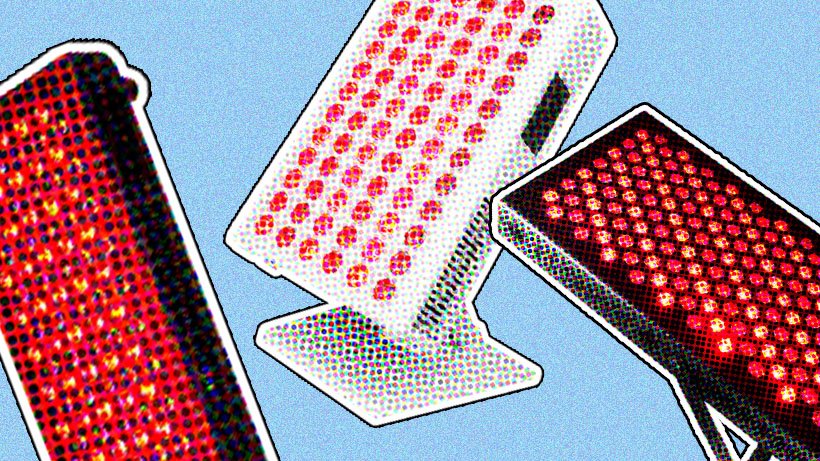
You could try red light therapy panels if you’re looking for a full-body RLT treatment or want to address deeper issues. While testing top RLT panels such as Bon Charge Max or ATaPa ATHENA, we found that these devices are often larger and more expensive, but surprisingly very convenient to use at home. Additionally, you will need to use your RLT panel consistently to notice results, such as better sleep, faster muscle recovery, and hair growth.
Since red light therapy has been on the rise since 2010, there are now many panels to choose from. However, only a few panels stood out as noteworthy choices that use the necessary wavelengths.
If you’re looking for a red light therapy panel in 2026, read this article. We present the top choices based on our in-house tests, which focused on real-world use.
Quick summary: The best red light therapy panels
In this guide, you’ll find our top picks for red light therapy panels that have proven to offer optimal wavelength, high power, and reasonable prices. If you’re new to the topic and want a quick overview of the best panels in 2026 based on our research, you can find our favorites below.
Bon Charge Max Red Light Therapy Device: Best overall panel for full-body treatment
The Bon Charge Max Red Light Therapy Device delivers high power and extensive coverage, which may regenerate the skin, help muscles recover, and improve sleep. Bon Charge Max is best for fixed home use and even has a built-in timer, making it a convenient option for full-body treatment.
Advertisement
ATaPa ATHENA: Effective red light therapy panel for athletes
The ATaPa ATHENA is an option to consider if you’re in recovery or live an active lifestyle. It offers multi-wavelength technology and high irradiance, allowing you to use it from up to 6 inches away. With ATaPa ATHENA, you may enhance circulation, reduce pain, improve muscle recovery, and speed healing.
Vellgus Red Light Mini: Lightweight panel for traveling
Vellgus Red Light Mini is a viable option for travelers. The panel offers NIR and red wavelengths, high irradiance, and a dual-power mode. The best part about the Vellgus Red Light Mini is that it’s much smaller than other panels, so you can carry it with you wherever you go.
Infraredi Pro Max 2.0: Customizable red light therapy panel
Infraredi Pro Max 2.0 is worth considering if you’re looking for a full-body panel. It allows customizing each season by adjusting pulsing models and brightness. You can use the panel as a stand or a door hook, making it a convenient choice for all households.
Hooga PRO300 Red Light Therapy Device: The cheapest red light therapy panel
The Hooga PRO300 Red Light Therapy Device is a good budget-friendly panel. It uses red light and near-infrared wavelengths, along with high irradiance. This can help improve your sleep, enhance hair growth, and regenerate your skin.
How we tested these red light therapy panels
While all red light therapy panels offer similar benefits, researching those devices deeper showed us that they differ in terms of effectiveness, technical specifications, and price. To clearly identify their differences and present you with the most detailed information, our team tested each panel for a few weeks from the perspective of a typical home user, focusing on real-life performance.
We overviewed each panel’s wavelengths, irradiance, and coverage, which helped to understand how effective the panel is. We also tested if the panels are easy to set up and use by testing them from the comfort of our own home. Of course, we also considered price to help you find a panel that offers value at a reasonable price.
Advertisement
Red light therapy panels: FAQ
Are red light therapy panels worth it?
Yes, red light therapy panels may be worth it if you’re looking for effective and non-invasive treatments. Full-body red light therapy can help with anti-aging, improve sleep, enhance muscle recovery, and even reduce pain. However, red light therapy is not a cure, and it requires consistency for the best results.
What does a red light therapy panel do?
A red light therapy panel uses near-infrared and red lights, which can stimulate mitochondrial production, boost energy, and reduce inflammation. Red light might help regenerate the skin, heal acne, and stimulate collagen production. Near-infrared light helps with blood flow, pain relief, and muscle recovery. In short, red light can help with surface issues, while near-infrared light can address deeper tissue issues.
How long does it take to see results?
It mostly depends on your red light therapy use case, but in general, it can take around 4–12 weeks to start noticing its benefits. However, for the best results, it’s necessary to consistently use it 3–5 times per week.
What to look for when buying a red light panel?
When choosing a red light panel, be sure to check its wavelengths, irradiance, and safety certifications. An effective red light panel should have red wavelengths at 630–660nm and near-infrared wavelengths at 810–850nm, with an irradiance of at least 100 MW. If you find one that fits your needs and meets standards, be sure to check whether it has been tested for electrical safety and has a warranty, so you can test it risk-free.
How often should you use a red light therapy panel?
Based on our research, you should use the red light therapy panel 3–5 times per week for 10–20 minutes each time. If you use it daily, 10–15-minute sessions may be enough. If you would rather use it 3 times a week, it is recommended to use it for 15–20 minutes per session.
Are red light therapy panels safe?
Red light therapy is a non-invasive procedure that doesn’t use any toxic chemicals. However, be sure to read the instructions carefully before using the device and test it on a small area of your body to avoid skin irritation. Additionally, be sure to use only clinically approved and tested red light therapy panels to not risk your health.
Bon Charge Max Red Light Therapy Device
Best overall full-body red light therapy panel
- 660nm red + 850nm near infrared wavelengths
- Full-body coverage
- Iraddiance >142 mW/cm2
- Mounting options: stand, door hook
We found the Bon Charge Max Red Light Therapy Device to be the best panel as it’s one of the few devices that offer full-body coverage. Compared to devices like Vellgus Red Light Mini, which is only for targeted areas, Bon Charge Max allows you to perform full-body sessions without repositioning.
Bon Charge Max proved very easy to set up and use. You can use the panel as a stand or use the hanging system, which lets you hang it on your door and saves space. Besides, due to the panel’s intensity, it can be used from 6 to 12 inches away and will still fully cover your body. We also liked that it has a built-in timer that signals when your session is over, so you can fully relax during it.
Advertisement
After using the panel for a few weeks, my colleagues noticed that their muscles were less sore the next day after workouts, and a few reported that their skin felt more even in tone. However, these signs were definitely very subtle, so you’ll need to use it longer to see results.
During our tests, the panel remained quiet at all times, making it a perfect choice for relaxation. It also didn’t overheat the skin, so you can expect only a light warmth while using the device.
If you’re looking for a simple and home-friendly red light therapy panel, Bon Charge Max is the best choice in 2026. However, it is a larger device, which takes up space and is not easy to move around, which might not be ideal in some cases.
ProsConsEasy to set up and useExpensive price660nm red + 850nm near infrared wavelengths and >142 mW/cm2 irradianceTakes up spaceBuilt-in timer
ATaPa ATHENA
Best for recovery and athletes
Advertisement
- 630nm, 660nm, 810nm, 830nm, 850nm wavelengths
- Targeted coverage
- Iraddiance >212mW/cm2
- Mounting options: stand
ATaPa ATHENA is a top-performing panel in our 2026 testing if you’re living an active lifestyle or want to support injury recovery. If you’re looking for a compact device, we found the ATaPa ATHENA to deliver higher output and irradiance than the Hooga PRO300 in our testing.
Since the panel is smaller, you can easily move it from place to place, as it doesn’t need a dedicated space. We found it convenient to use it as a stand on a table and move it away after the session. To use the ATaPa ATHENA, all you have to do is plug it in, select the mode, and set the timer. One thing that we found lacking is a door hook.
ATaPa ATHENA has high irradiance of >212 mW/cm2 and offers five wavelengths, which may help with deep-tissue issues. While having different wavelengths seems like a useful feature, we prefer simpler devices with fewer options. Since it is a smaller device, we found it best for specific areas, especially shoulders or legs after intense workouts, rather than the full body.
During our sessions with ATaPa ATHENA, the skin felt warm rather than overheated. While the panel wasn’t completely silent due to the built-in cooling fans, the noise wasn’t distracting.
After testing the panel, the ATaPa ATHENA performed well in sessions aimed at supporting muscle recovery. However, since it needs to be moved around, we found it better suited for shorter, targeted use.
Advertisement
ProsConsPortable panelRequires repositioning for full-body sessionsFive different wavelengthsNo door hookIrradiance of >212 mW/cm2
Vellgus Red Light Mini
Best for travelers
- 660nm red and 850nm near infrared wavelengths
- Targeted coverage
- Iraddiance >219 mW/cm2
- Mounting options: stand
Vellgus Red Light Mini can be a good starting point due to its simple design and ease of use. If you’re often traveling and need a lightweight, portable panel you can use anywhere, the Vellgus Red Light Mini is a better option than the Bon Charge Max, according to our test results.
Using the Vellgus Red Light Mini proved very simple, as it works with both batteries and a USB cable. Since it’s a small device, it can be easily carried around and used while traveling, working, or relaxing at home. However, we preferred using Vellgus Red Light Mini for shorter, targeted sessions, rather than full-body sessions, as it would take quite some time to cover the whole body.
Advertisement
The device has a high irradiance of >219 mW/cm2, which is impressive given its size. As a result, it’s mostly suited to use after workouts or for any pain, as the product claims to help with deeper-tissue issues. The device is set to 10-minute sessions by default, so you will need to use it daily for the best results.
The Vellgus Red Light Mini works quietly and doesn’t overheat the skin. However, we noticed the battery drains quickly. If you’ll use it for your face, you won’t encounter any issues with the battery. However, for other, larger areas, it might not be the best choice for extended sessions.
If you want to use a red light therapy panel on the go, the Vellgus Red Light Mini is the most effective solution. It’s also suitable for beginners who are interested in a targeted-area panel rather than a larger device.
ProsConsSmall size, easy to travel withLimited batteryIrradiance of >219 mW/cm2Covers targeted areas onlyDual wavelengths
Infraredi Pro Max 2.0
Best for powerful and customized use
Advertisement
- 630nm, 660nm, 810nm, 830nm, 850nm wavelengths
- Half-body coverage
- Iraddiance 250mW/cm2
- Mounting options: stand, door hook
Infraredi Pro Max 2.0 is a premium light therapy panel, which is the perfect fit if you want an effective treatment at home. If you’re interested in more intense, customizable sessions, we found it to be a better option than Hooga PRO300 due to its higher irradiance of 250mW/cm2.
You can set up the Infraredi Pro Max 2.0 in just a couple of minutes and use its smart screen to set 10-20-minute sessions. While at first all the different modes and wavelengths seemed like a huge advantage, we ended up not using them and preferred simpler panels. We also noticed that it was quite heavy, but you can use it with a stand or hang it on your doors, making it a good fit for even smaller households.
Infraredi Pro Max 2.0 is versatile thanks to its red and NIR lights. With Infraredi Pro Max 2.0, you can stand 6–11 inches away, move around during the session, and it will still be effective. This will allow you to combine your workouts or other activities with the red light therapy sessions, saving you some time during the day.
The device did not overheat during our tests, so you will likely only feel minimal warmth on your skin. Since it comes with cooling fans, you can expect a slight noise, but most of us didn’t find it annoying.
If you want a red light therapy panel that delivers convenient home sessions, Infraredi Pro Max 2.0 is the most advanced yet simple-to-use option. However, you should consider that it’s a heavier device and only covers half of your body, so you will need to reposition for full-body sessions.
Advertisement
ProsConsCan be used from 6–11 inches awayHigh pricingCustomizable sessionsTakes up spaceHas a door hook
Hooga PRO300 Red Light Therapy Device
Best budget-friendly panel
- 630nm red and 850nm near infrared wavelengths
- Targeted coverage
- Irradiance over 100mW/cm2
- Mounting options: stand
The Hooga PRO300 Red Light Therapy Device may suit you if you’re looking for the cheapest panel. If you want to try red light therapy for the first time, we would choose Hooga PRO300 over Bon Charge Max or ATaPa ATHENA, due to its price and simplicity.
To start using the panel, just plug it in and start the session. You can set it up on your table and work while enjoying red light therapy. We noticed that it’s easy to move around, since it’s a smaller device, and you don’t need to permanently anchor it.
Advertisement
The panel uses a combination of red and near-infrared wavelengths. We preferred using Hooga PRO300 for simple procedures, such as part of our skin care routine, but it may require consistent use to notice results. However, the irradiance is not as powerful as other panels’, only 100mW/cm2, so we wouldn’t recommend it for deeper issues, such as pain relief or muscle recovery.
While using the Hooga PRO300 Red Light Therapy Device, you should only feel slight warmth on your skin. You can also expect some light noise from the cooling fan, but it shouldn’t be very noticeable.
If you’re interested in red light therapy for skin-focused use, the Hooga PRO300 is an affordable entry-level option. However, if you want to try RLT for deeper issues, the Hooga PRO300 might not be the best fit, as there are more powerful panels out there.
ProsConsPortable and easy to move aroundLower irradianceUser-friendly setup processRequires repositioning for full-body treatmentAffordable pricing
Red light therapy panels compared
We tested all the devices on this list, but we also advise comparing them before making a decision to find one that best fits your needs. Here are all the top devices and the key factors that you should consider.
Red light therapy panelCoverageWavelengthsPowerMountingBest forPrice tierBon Charge Max Red Light Therapy DeviceFull-body660nm red light and 850nm near infrared lightHighStand, door mountEffective full-body red light therapy at home$999ATaPa ATHENATargeted area630nm, 660nm, 810nm, 830nm, 850nm red and near-infrared wavelengthsHighStand, tabletopAthletes and recovery after injuries$780Vellgus Red Light MiniTargeted area660nm red light and 850nm near infrared lightVery highStand, handheldPowerful use when traveling$339Infraredi Pro Max 2.0Half-body630nm, 660nm, 810nm, 830nm, 850nm red and near-infrared wavelengthsVery highStand, door mountCustomized sessions and high intensity$1183Hooga PRO300 Red Light Therapy DeviceTargeted areas660nm red light and 850nm near infrared lightMediumStand, tabletopBeginners looking for a cheap panel$199
Advertisement
Safety and side effects: What you should know
Before investing in a red light therapy panel, be sure to familiarize yourself with the product and consider its safety concerns and side effects. Red light therapy is a non-invasive procedure that doesn’t use any toxic materials. However, we suggest using eye protection, especially if you have sensitive eyes, as the light can be very bright. Similarly, if you have sensitive skin, you might notice some redness at first, so be sure to test it out on a small area before starting full-body sessions.
If you have a photosensitive condition, are currently pregnant, or take medication, we highly advise you to consult with your doctor before using red light therapy panels. In all cases, use only clinically approved products to avoid any health issues. Even if you see that the red light therapy panel was FDA registered, it doesn’t mean that it is cleared.
