

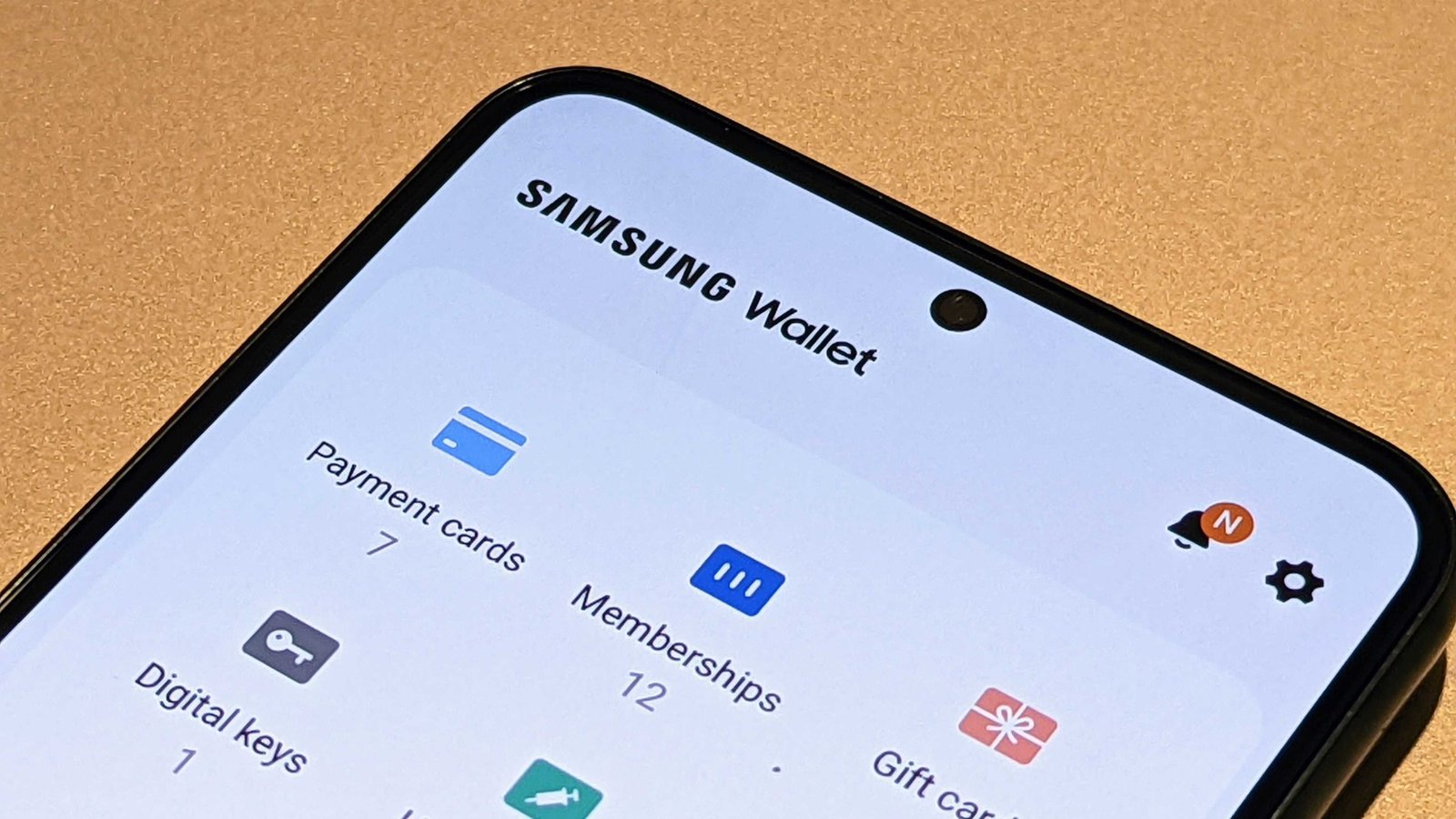
Samsung’s latest Wallet upgrade is gaining a lot of attention online, but it appears not everyone is convinced it’s the future of travel just yet.
Samsung has launched Samsung ID with CLEAR this week, a new feature that allows Galaxy users to store a U.S. passport-based, TSA-approved digital ID within Samsung Wallet. On paper, it’s the upgrade frequent travelers have long wanted. But some online responses are debating whether the convenience is worth the trade-off.
The feature comes as a result of a partnership between Samsung and CLEAR, the identity verification company famous for its airport fast lanes. Samsung says Galaxy owners with a valid U.S. passport can now create a digital ID for use at more than 250 TSA checkpoints across the United States. Setting it up is fairly simple, too: Users open Samsung Wallet, tap Digital IDs, and verify their passport through CLEAR. Once approved, the ID is locked down with Samsung Knox and can only be accessed via biometrics or PIN.
Latest Videos From
You may like
Samsung is playing catch-up
If all this information sounds familiar, then that’s because Samsung is in fact playing catch-up. Apple Wallet and Google Wallet have had similar digital ID functionality for some time, leaving Samsung users on the sidelines.
That said, though, the rollout got lots of Samsung fans excited. Over at LinkedIn, users praised the idea of lessening airport friction and bringing more of their everyday needs under one app.
However, one reader reached out to me via email and expressed strong privacy concerns about CLEAR, stemming from a deceptive experience they had at the San Diego airport around 2022. The reader claims CLEAR representatives explicitly lied to them, assuring them that CLEAR was a government program similar to TSA. Under the false impression that it was a government entity, the sender provided personal information and submitted to an iris scan to bypass a long security line.
After looking the company up, the sender realized CLEAR is a private corporation. They immediately demanded their data be deleted. Although CLEAR claimed the data was removed, the sender continued to receive emails. They strongly suspect the company kept their biometric and personal information. Because of this experience, they completely distrust CLEAR’s data privacy practices (especially regarding the mentioned Samsung partnership) and suspect many other travelers are similarly misled into thinking it is a government program.
TSA adoption could be inconsistent
(Image credit: Andrew Myrick / Android Central)
A few Reddit responses were much more diverse. A post on the TSA subreddit had travelers questioning whether digital IDs are actually consistent in real-world airport scenarios. One user reported going “0-3” when trying to use digital identification at TSA checkpoints, blaming the failures on a mix of technical difficulties and airport staff unfamiliarity with the system. Others chimed in that adoption still appears spotty, depending on the airport, the TSA lane, or if agents are properly trained on digital ID support.
Privacy concerns also popped up almost immediately. Others argued that storing passports, payment cards, boarding passes, and personal credentials in one app created a dangerous dependence on one device. If you lose your phone, experience software problems, or get locked out of your Samsung account, your “wallet” becomes the single point of failure. That concern is reminiscent of the reactions seen whenever Apple or Google delves further into digital identity systems.
Samsung, for its part, is going hard on security messaging. The company says passport information is encrypted directly on-device through Samsung Knox, while CLEAR handles identity verification on the backend. Access is enabled via fingerprint authentication or a secure PIN. Samsung also notes that the feature is only available for domestic U.S. travel at this time, so you still need your physical passport for international flights.
There are some caveats hidden in the marketing, too. TSA reader machines must be compatible. Not all airport checkpoints are equipped for digital IDs, and travelers may still need to present physical documentation depending on airport policy. Samsung itself recommends carrying a backup physical ID anyway.
Even with the skepticism, Samsung Wallet is clearly aiming to become much more than a payments app. Samsung wants to make Galaxy phones a full identity hub for digital IDs, boarding passes, keys, and government credentials. Whether travelers fully trust that idea is another story entirely.
Android Central’s Take
The idea of walking through TSA with just your phone instead of lugging around a passport, boarding pass, wallet, and half your pockets seems pretty useful, especially for frequent travelers already in Samsung’s ecosystem. That being said, the whole “your phone is now your identity” thing still feels like tech companies are charging toward a future no one really signed up for. Sure, digital passports sound sleek in a keynote presentation, but real life is messy. Phones die, apps crash, TSA systems break, and airport staff aren’t always on the same page. Throw in some privacy concerns and the growing pressure to store every personal credential inside one device, and the whole thing starts looking like another giant “trust us” experiment from Big Tech.
