

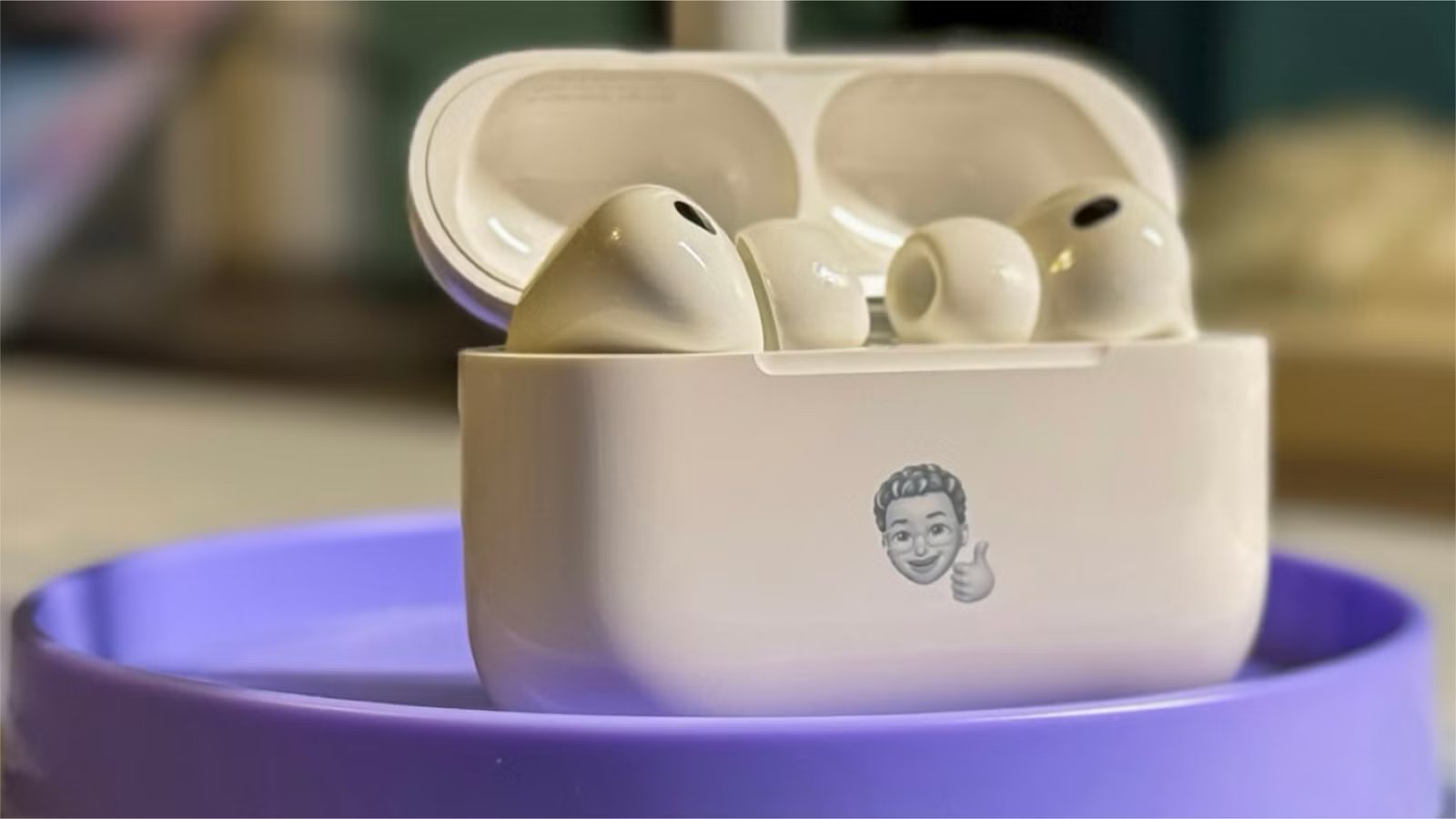
The third-generation AirPods Pro come with several upgrades over the previous model, especially in sound quality and noise cancellation. While those improvements may not sound dramatic on paper, they do make a noticeable difference, whether you’re listening to music alone or in public.
But as many people point to improved noise cancellation as the standout feature, the fit and stability of the new generation deserve equal credit too. It’s no secret that those areas usually take a back seat when discussing the new AirPods Pro, but in my experience, they’re the most improved over the previous generation.
What’s new with AirPods Pro 3
While the AirPods Pro 3 look nearly identical to their predecessor, almost every aspect has been updated, making them a worthy upgrade.
Credit: Tim Brookes / How-To Geek
Sound quality has improved thanks to a new multiport acoustic architecture, delivering deeper bass, a wider soundstage, and clearer, more vivid vocals. It also includes the ordinary touch controls on each AirPod stem, which can now be used to take a photo or start a video recording remotely.
Noise cancellation has also been improved thanks to a new acoustic seal. The earbuds automatically adapt to your environment and preferences, and new ultra-low-noise microphones reduce more unwanted sound while listening to audio.
Credit: Apple
One of the most notable new features is the addition of a heart rate sensor that uses invisible light pulses to deliver accurate workout metrics. In addition to the heart rate sensor, the earbuds carry an IP57 rating, meaning they can withstand intense workouts and also a sudden rainstorm.
The design has also been updated, with the ear tips now rotated inward for a more secure fit. A new layer of foam-infused microspheres also enhances noise cancellation.
8/10
Noise Cancellation
Active Noise Cancellation
IP Rating
IP57
With these additions and improvements, the AirPods Pro 3 are a worthy upgrade over their predecessor. Each change may seem small on its own, but it makes a noticeable difference in everyday use.
Where AirPods Pro 2 fell short
While the AirPods Pro 2 were far from bad earbuds, they fell short in one area: fit and stability. This was not a standalone issue for the second generation, but the first generation also had the same problem.
Credit: Kris Wouk / How-To Geek
When I would use my AirPods Pro 2, they would constantly fall out. No matter what I did, how many times I cleaned them, or how I put them in, they would always seem to slip out.
This would frequently happen when I was working out because I was sweating. Understandably, sweat would loosen them, but they would be on the verge of falling out before I could fix them.
Credit: Yasar Turanli / Shutterstock
AirPods are marketed for workouts, but it was frustrating to constantly readjust them mid-session, especially on the elliptical or treadmill, when focus is essential.
Furthermore, the issue wasn’t limited to workouts. Even while lying back and relaxing, an earbud would sometimes come loose, which was distracting and took away from the overall listening experience.
8/10
Noise Cancellation
ANC
IP Rating
IPX4
I also tried different ear tips, adjusted how I inserted them repeatedly, and even purchased third-party ear hooks—similar to what the Powerbeats Pro 2 include—but nothing worked. The earbuds still slipped, and the hooks irritated the back of my ears.
Eventually, I adjusted to the issue, but it persisted every time I used them. I hoped the next generation would improve fit and stability, finally staying in my ears without constant readjustment.
AirPods Pro 3 fixed the issue
With the multiple improvements AirPods Pro 3 brought, I was happy to see that the fit and architecture of the earbuds were enhanced for better stability. At first, I was skeptical, but after using them, my opinion changed.
Credit: Tim Brookes / How-To Geek
When I first put them in, I tried the new technique Apple advertised: insert them into your ear, then rotate the stem toward your face. This method made them feel more secure in my ears than the previous generation did, so it was a good start.
Thanks to the new design, I no longer had to keep readjusting. This kept me more focused on the music playing than on whether I needed to fiddle with the earbud.
I used my AirPods Pro 3 in the same scenarios as my previous pair, including relaxing while lying down and working at the computer. Both scenarios showed significant improvement, which meant that I hardly had to readjust the earbuds, and when I did, it was far less frequent than with the AirPods Pro 2.
Noise Cancellation
Active Noise Cancelling
IP Rating
IP54
The actual test came when working out, since, unlike when I’m relaxing, I would be sweating. This included outdoor walking, treadmill, and elliptical workouts.
I’ll be honest, I didn’t start these workouts thinking, “Will my earbuds stay in better?” But during the session, I realized I didn’t have to readjust them. I only repositioned my earbuds once after a workout.
Credit: Apple
I would be remiss not to mention that active noise cancellation is also noticeably improved. While I had no major issues with noise cancellation on the second generation, it is clearly more effective on the third generation.
With the improved fit and consistent stability, I was able to stay focused on what I was doing, whether it was working out, getting work done, or relaxing on the couch. The promised improvement in fit was not overstated and proved to be a game-changer for my overall listening experience.
My ears are not the same as everyone else’s, and some users may not have had issues with the fit and stability of the previous generation AirPods Pro. After talking with several people who own them, opinions were split on whether the earbuds stayed securely in place for them.
For me, the third-generation AirPods Pro fixed the biggest issue I had with the previous model, and that improvement deserves more recognition. I can finally wear them without the constant anxiety of wondering whether they will start to slip out at any moment.
