

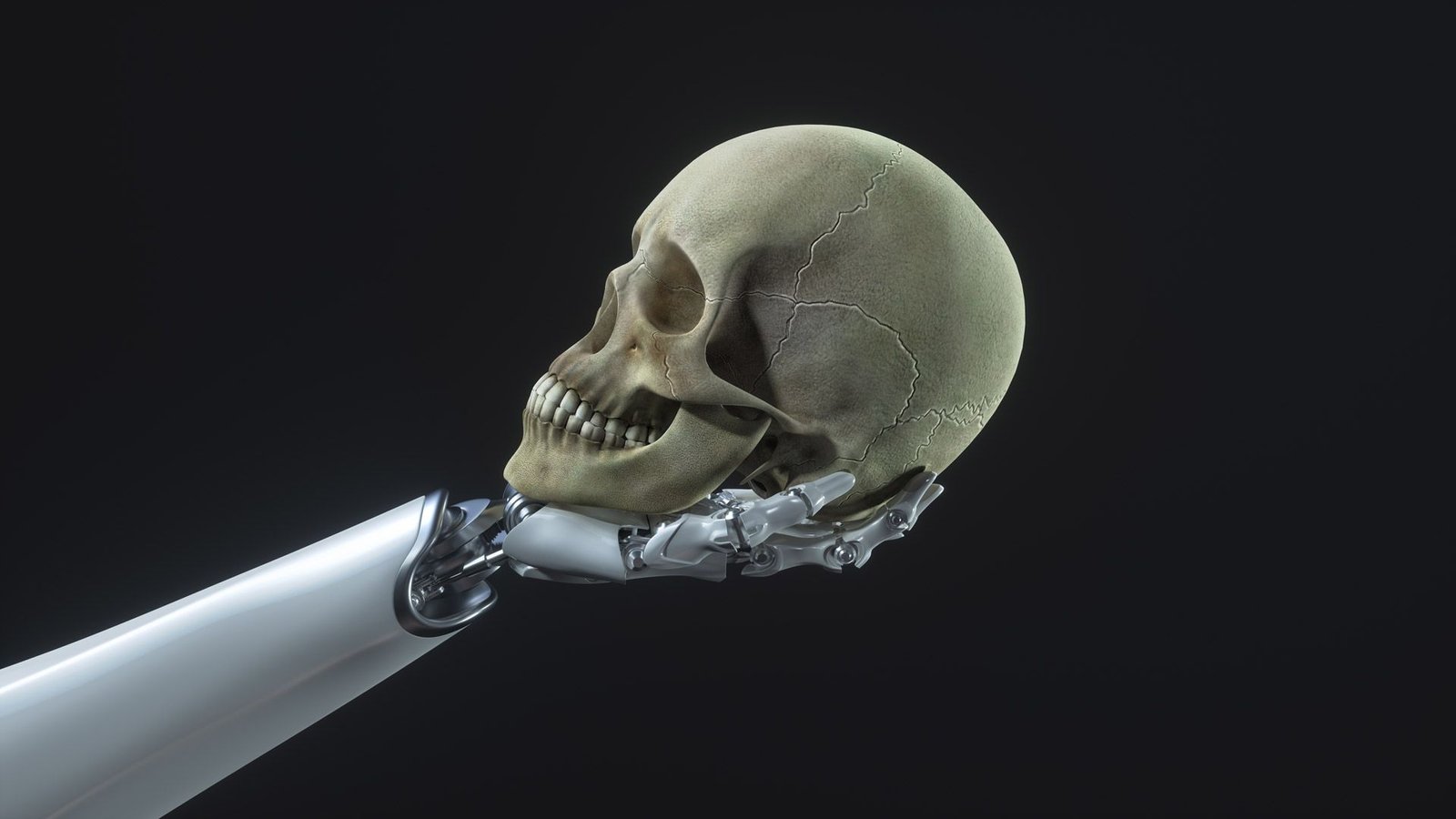
The question of whether we’ll be uploading our consciousness to a computer is no longer if. It’s probably when. That’s because these digital consciousnesses – our essences – will likely be the product of an AI’s interpretation of ourselves. The breadcrumbs we’ll leave across digital files, images, videos, audio recordings, and, of course, all that social media will be an ample resource to reconstruct you.
The idea is not new, but in recent months it’s gathered fresh steam as companies like Meta look at ways to formalize the process. According to Business Insider (as spotted by Dexerto), Meta is trying to patent a process for using a large language model (LLM) to recreate a persona on social media after the person has died.
You may like
A patent but not a plan
Meta isn’t, the report notes, implementing this patent. In fact, there’s no direct evidence they’ll ever do it, aside from the fact that Meta might invest $140B in AI this year alone, and the company, like OpenAI, Microsoft, Google, and Anthropic, is in a fast-paced, intense AI race. Leaving this capability on the table, when others might race to implement it, seems like a strategic mistake, and one I’m not sure Meta is willing to make.
Even if Meta chooses to steer clear, nothing will stop AI’s progress in this realm. AI Time promises that AI’s replicant capabilities today will be nothing compared to what we see in a few months.
Today’s AI is already proving quite adept at recreating voices, images, and videos of living and dead people. Just this month, ByteDance’s Seedance achieved new, disturbing levels of vermiseltude.
Death is just a state of an AI mind
On the other side of all these stunning AI advancements is humanity’s own obsession with mortality. Death remains a taboo subject, largely because no one knows what comes after, and, for the living, the loss and absence of loved ones is an immutable pain.
You may like
It’s probably why there are so many books about death, dying, and the afterlife. There’s also a long, still-growing list of sci-fi movies and TV shows about eternal life, including Self/Less, Transcendence, and Upload.
In 2014’s rather prescient Transcendence, Johnny Depp is a scientist who is fatally wounded and has his consciousness uploaded to an AI by a desperate lover (and fellow scientist). As you might expect, things go awry: Depp’s AI consciousness grows too powerful and eventually leads to the destruction of all technology.
People know that none of these AIs are real and that the love and compassion are, well, artificial. But like an artificial sweetener, it still makes you feel the same way.
I don’t think we’re headed down that path (at least not yet), but I’m now convinced that, while the idea of extending life through a digital simulacrum sounds distasteful today, it may be de rigueur in the not-too-distant future.
The desire to reconnect with lost loved ones is, I’d argue, stronger than our need to keep AI at bay. Even knowing that the entity on the other side of the conversation is nothing more than a highly complex set of 1’s and 0’s won’t matter. If the AI can recreate the nuance, the mannerisms, vocal tics, and virtual empathy of their lost loved one, that will be enough for some people.
Is it escapable?
We’ve already made our first timid steps into this space, connecting with AI therapists and falling for AI partners. These people know that none of these AIs are real and that the love and compassion are, well, artificial. But like an artificial sweetener, it still makes you feel the same way.
Connecting with AI versions of deceased relatives will feel no different. And, while deleting Facebook might help, trying to avoid it by deleting all social media is probably a Quixotic effort. We’ve already filled the system with our lives. They know us, and you can’t scrub that training. What’s more, AI has so infiltrated society that they no longer need social media posts to learn who we are, what we do, and how we act. AI’s myriad and growing touchpoints across society mean they have ample opportunity to learn the ins and outs of you.
And when it’s your time, they will have an AI version of you at the ready, whether or not anyone wants to talk to it.
Follow TechRadar on Google News and add us as a preferred source to get our expert news, reviews, and opinion in your feeds. Make sure to click the Follow button!
And of course, you can also follow TechRadar on YouTube and TikTok for news, reviews, unboxings in video form, and get regular updates from us on WhatsApp too.
